

ZYmining
-
Products
-
Application
Metal recycling operations face constant pressure to maximize scrap value, reduce handling costs, and meet stringent environmental standards. A briquette press transforms loose metal shavings, turnings, and chips into compact, high-density briquettes, delivering measurable advantages. This article examines the top five benefits of adopting a briquette press for metal recycling, with practical insights applicable to processors of ferrous and non-ferrous metals.
One of the most immediate financial returns from a briquette press is the increase in scrap value. Loose metal turnings typically contain cutting fluids, oils, and moisture, which reduce the price offered by smelters and foundries. Briquetting removes these contaminants, producing dry, dense blocks that command a higher market rate.
Compression ratios vary by material, but a briquette press can reduce the volume of steel or aluminum shavings by a factor of 5 to 10. Higher density means more metal weight per container, making each shipment more valuable. ZYmining briquette presses utilize precision hydraulic systems that achieve consistent compaction, ensuring each briquette meets buyer specifications.
During briquetting, the high pressure squeezes out free liquids and trapped air. The resulting briquette has a moisture content often below 2%, eliminating the need for downstream drying. Clean, dry briquettes not only fetch higher prices but also reduce penalties for volatile organic compounds and residual oil.
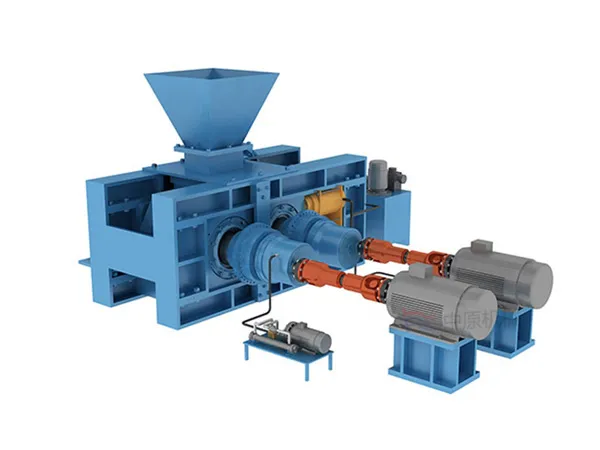
Transportation costs are directly proportional to volume. By compacting scrap into dense briquettes, recyclers can fit far more metal into each truckload or railcar, dramatically lowering per-ton shipping expenses.
For example, aluminum turnings can be compressed to about 1/10 of their original volume. Steel chips may reduce to 1/5. This translates into fewer trucks dispatched, less fuel consumption, and lower carbon emissions. Over a year, a mid-sized recycler can save tens of thousands of dollars in logistics alone.
Briquettes are uniform in size and shape, making them easy to stack, convey, and load. Unlike loose shavings that spill or create dust, briquettes stay contained, improving warehouse safety and allowing more efficient use of floor space. ZYmining systems are designed for seamless integration with existing conveyor and storage infrastructure.
Regulatory agencies increasingly target fluid disposal and airborne emissions from metal recycling. A briquette press helps recyclers comply with local and international environmental rules while demonstrating corporate responsibility.
Cutting fluids recovered during briquetting can be filtered and reused, reducing hazardous waste generation. Furthermore, because briquettes are cleaner, they are less likely to be rejected by mills, which prevents scraps from ending up in landfills. ZYmining presses incorporate integrated fluid collection systems that simplify waste management.
Fewer transport movements and reduced energy consumption in downstream melting (due to lower moisture and higher density) lower the overall carbon footprint of the recycling process. Many sustainability reports now highlight briquetting as a key technology for achieving net‑zero targets.
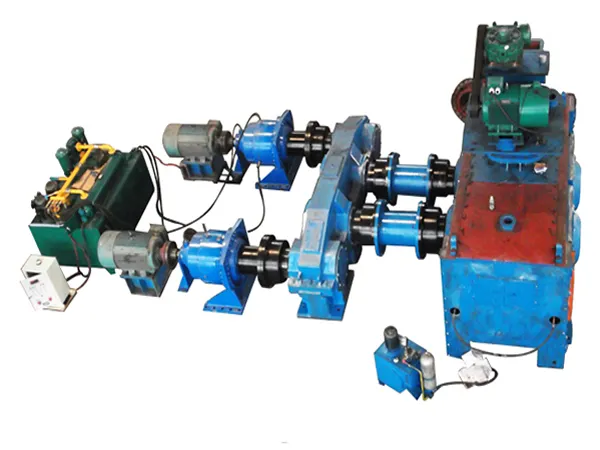
Handling loose metal chips poses risks of cuts, slips, and airborne dust. Automating the briquetting process removes much of the manual labor, creating a safer environment and freeing workers for higher‑value tasks.
Modern briquette presses operate with minimal operator intervention. Sensors monitor fill levels, cycle times, and fluid levels, allowing unattended production during breaks or night shifts. This reduces labor costs and increases throughput.
Loose turnings can contain sharp edges that cause lacerations, and handling oily materials creates slip hazards. Briquetting eliminates these exposures by enclosing the compaction process. Additionally, the resulting briquettes are easier to handle and store without injury. ZYmining machines are built with safety interlocks and emergency stops as standard features.
Buyers of secondary metal demand consistent quality. Briquettes produced under controlled pressure and dwell time have uniform density, size, and composition, which leads to better melting performance and fewer quality claims.
Smelters often require briquettes to meet specific dimensions and densities for automated furnace charging. A reliable briquette press from ZYmining delivers repeatable results batch after batch, building trust with customers and enabling long‑term contracts.
When a recycler can guarantee dry, dense, and contaminant‑free briquettes, buyers are willing to pay a premium. Many recyclers report that after switching to briquetting, they secured preferred supplier status with major mills, securing stable revenue streams.
Conclusion
Investing in a briquette press for metal recycling is not just about compacting scrap; it is a strategic move that impacts profitability, logistics, compliance, safety, and product quality. From maximizing scrap value to building lasting buyer relationships, the benefits are clear. ZYmining offers a range of hydraulic briquette presses tailored to ferrous and non‑ferrous applications, backed by decades of engineering expertise. For metal recyclers seeking a competitive edge, briquetting remains one of the most effective technologies available.

Add: Luoxin Industrial Zone,Luoyang City,Henan Province P.R.C.
Tel: +86-379-67313306
E-mail: gloria@zyksjx.com

Official Agent of ZY MINING in Russia.
Please enter here.
Add: Luoxin Industrial Zone,Luoyang City,Henan Province P.R.C.
Tel: +86-379-67313306
E-mail: gloria@zyksjx.com