

ZYmining
-
Products
-
Application
The coal industry faces an ongoing challenge: the fine particles released during mining, handling, and transport create dust pollution that harms both human health and the environment. While traditional dust suppression methods like water sprays and chemical surfactants provide temporary relief, they often fall short in capturing the smallest respirable particles or require costly recurring applications. An industrial briquette press offers a more permanent solution by densifying coal fines into solid briquettes, simultaneously reducing airborne dust and transforming waste into a valuable fuel source. This article examines how this technology works, its advantages over conventional approaches, and why ZYmining's briquette presses stand out as a reliable choice for operations aiming to meet stricter environmental regulations while improving profitability.
Coal dust is not merely a nuisance; it poses serious risks. Respirable crystalline silica and coal dust particles below 10 microns can penetrate deep into lung tissue, leading to chronic respiratory diseases such as pneumoconiosis (black lung disease) among workers. Moreover, dust clouds reduce visibility on-site, increase the risk of explosions in confined areas, and contaminate surrounding communities. Environmental agencies worldwide are tightening permissible emission limits, making it imperative for coal processors to adopt more effective control measures. Current methods—water spraying, foam suppression, and chemical binders—each have drawbacks: high water consumption, equipment corrosion, inconsistent coverage, or the need for continuous reapplication. A robust, permanent solution must address the root cause: the presence of loose fine particles that easily become airborne.
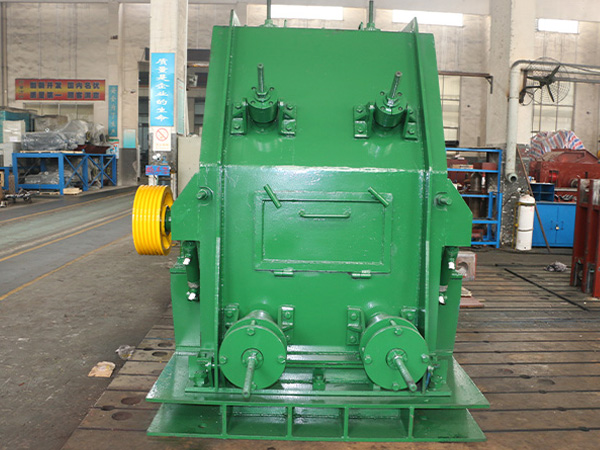
An industrial briquette press physically compresses coal fines, dust, and sometimes binders into dense, uniform briquettes under high pressure. The process typically involves feeding the material into a hopper, which then passes through a pre‑compression chamber and into roller presses where counter‑rotating rollers apply tons of force. The resulting briquettes have significantly reduced surface area and are much heavier than the loose dust, making them resistant to wind erosion and mechanical disturbance during transport and storage. Unlike temporary dust suppressants, briquetting transforms the problem material into a product that can be sold or used as fuel, eliminating the need for waste disposal while creating revenue.
Compared to spraying, vacuuming, or chemical stabilization, an industrial briquette press offers multiple distinct benefits:
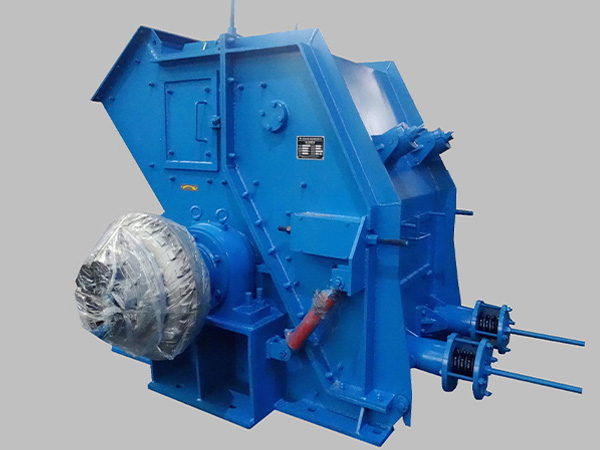
ZYmining has been designing and manufacturing industrial briquette presses for over a decade, serving clients in coal, metallurgy, and chemical sectors. Our machines are built with heavy‑duty components to withstand continuous operation in demanding environments. Key differentiators include: automated pressure control that adjusts to feed fluctuations, wear‑resistant rollers with replaceable pocket liners, and integrated dust collection at feed and discharge points. Additionally, ZYmining provides comprehensive support: from material testing in our pilot plant to on‑site installation and after‑sales service. This ensures that each briquette press is calibrated specifically for the customer's coal dust composition, moisture level, and desired briquette strength.
In a recent installation at a coal washing plant handling 50 t/h of minus‑2mm fines, a ZYmining BP‑500 briquette press reduced airborne particulate levels by 92% compared to baseline measurements taken before commissioning. The briquettes achieved a compressive strength of 180 N/mm², sufficient for open‑air stockpiling and long‑distance transport. Annual operating costs for electricity, spare parts, and binder were recouped within 14 months through the sale of briquettes. Such results demonstrate that investment in briquetting technology pays both environmental and financial dividends.
Yes. ZYmining presses can process materials with moisture up to 15‑20%, depending on the binder formulation. For materials above that range, a pre‑dryer or adjustment of binder type may be recommended.
Common binders include molasses, starch, lignosulfonate, and bentonite. In many cases, the natural moisture and fines cohesion allow binder‑free briquetting under high pressure. ZYmining tests your material to determine the most cost‑effective binder solution.
A complete briquetting line (feeder, press, conveyor) typically occupies 40‑60 m² for a 10‑20 t/h capacity unit. We provide layout assistance to fit existing plant configurations.
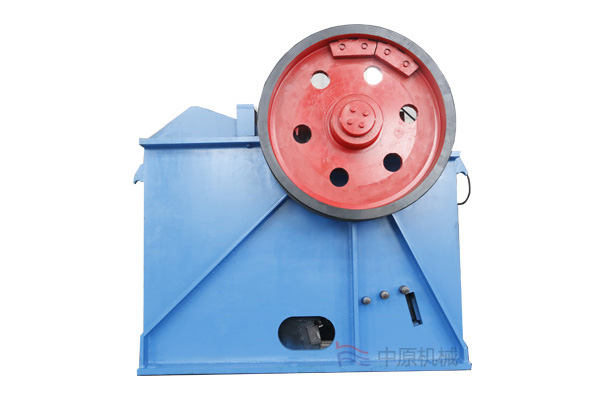
Coal dust pollution is a persistent challenge that demands a permanent solution rather than temporary fixes. An industrial briquette press addresses the issue at its root by consolidating fines into a stable, valuable product. Beyond environmental compliance, operators gain operational efficiency, reduced waste, and a new revenue stream. ZYmining’s proven technology, tailored approach, and robust after‑sales support make it a trusted partner for coal processors worldwide. Whether you are evaluating dust control alternatives or planning a full‑scale briquetting plant, a thorough analysis of your material and production goals will confirm that this investment yields both short‑term relief and long‑term value.

Add: Luoxin Industrial Zone,Luoyang City,Henan Province P.R.C.
Tel: +86-379-67313306
E-mail: gloria@zyksjx.com

Official Agent of ZY MINING in Russia.
Please enter here.
Add: Luoxin Industrial Zone,Luoyang City,Henan Province P.R.C.
Tel: +86-379-67313306
E-mail: gloria@zyksjx.com