

ZYmining
-
Products
-
Application
en
Factories generate significant volumes of scrap metal, wood chips, or biomass every day. Hauling this waste off-site is expensive, and the logistical hassle often interrupts production flow. A mobile briquetting unit brings the compaction process directly to the waste source, converting loose material into dense, saleable briquettes within your facility. This article examines the technology behind mobile briquetting, its key advantages over stationary systems, and how ZYmining’s solution can help your factory turn a disposal cost into a revenue stream.
Environmental regulations and rising landfill fees have forced manufacturers to rethink waste management. Traditional methods—storing scrap in bins, hiring trucks, and paying per ton for disposal—are no longer cost-effective or sustainable. On-site processing not only reduces transportation costs but also cuts carbon emissions associated with hauling.
A mobile briquetting unit directly addresses each of these pain points by enabling immediate, controlled compaction at the point of generation.
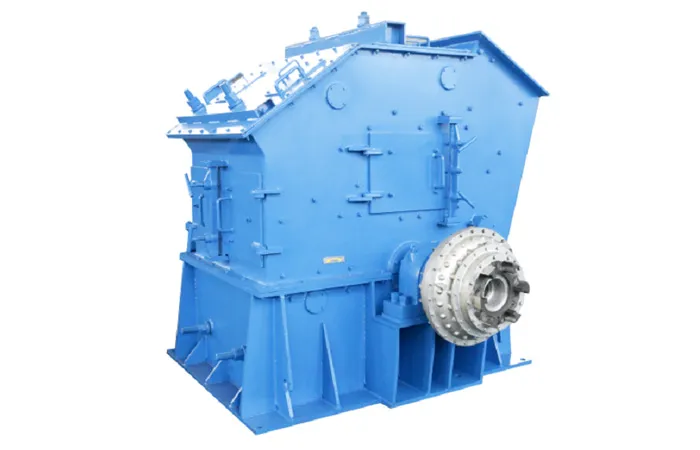
A mobile briquetting unit is a compact, wheeled or trailer-mounted machine that uses hydraulic pressure to compress loose material into uniform briquettes. Unlike fixed industrial presses that require concrete foundations and permanent installation, a mobile unit can be moved between production lines, warehouses, or even different factory sites.
The process is straightforward: waste material is fed into a hopper, conveyed to a compression chamber, and then extruded through a die under high pressure (typically 100-200 bar). The resulting briquettes are dense, low‑moisture, and easy to stack or transport. ZYmining’s mobile briquetting units are engineered for continuous operation with minimal maintenance, featuring durable hydraulic systems and automated controls.
When comparing mobile briquetting to fixed installations, several decisive benefits emerge:
These advantages make mobile briquetting the preferred choice for factories that require adaptability, lower risk, and faster return on investment.
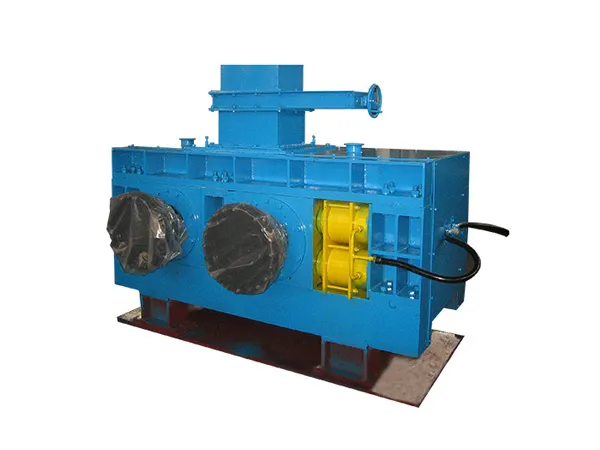
Almost any industry that produces dry, friable waste can benefit. Common applications include:
These industries typically see payback periods of 12–18 months through reduced disposal costs and new revenue from briquette sales.
Selecting the right unit depends on your material characteristics, throughput needs, and factory layout.
Not every mobile briquetting unit can handle every material. For example, oily metal shavings require a machine with a pre‑drying or de‑oiling feature. ZYmining offers models with adjustable compression force and die geometries tailored for specific material densities. Throughput ranges from 100 kg/h for small workshops up to 1,000 kg/h for high‑volume plants. Always test samples with the manufacturer to confirm achievable briquette density and production rate.
Mobile units can be electric‑hydraulic (most common) or diesel‑hydraulic for outdoor use without grid power. For indoor operation, electric models are quieter and emission‑free. ZYmining’s units feature built‑in wheels and tow hitch, allowing one‑person relocation using a forklift or pallet jack. Some models include a self‑contained control panel with PLC and remote monitoring capability.
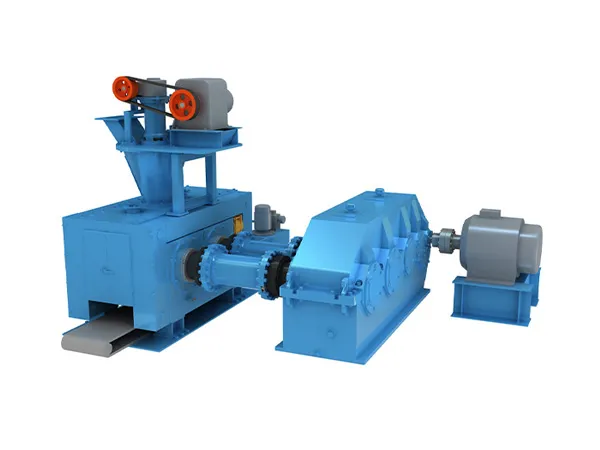
A mid‑sized aluminum extrusion plant in the Midwest was spending over $120,000 annually on scrap hauling. Loose turnings filled two 40‑yard dumpsters every week. After installing a ZYmining MB‑500 mobile briquetting unit, the plant compacted all turnings into 3‑kg briquettes. The briquettes were sold to a secondary smelter for $150 per ton, generating a new revenue stream of $45,000 per year. Hauling costs dropped by 90%, and the unit paid for itself within 14 months. The factory now processes waste immediately at each CNC line, freeing floor space and reducing fire risk from oily shavings.
Adopting a mobile briquetting unit transforms factory waste from a liability into a resource. By processing scrap on‑site, you eliminate transport expenses, improve workplace safety, and create a valuable product that can be sold or reused. ZYmining’s mobile briquetting systems are designed for rapid deployment, low maintenance, and versatile material handling. To determine the right configuration for your factory, contact ZYmining for a free waste audit and on‑site demonstration.
Briquetting Machine Troubleshooting: Common Problems & Fixes
No information

Add: Luoxin Industrial Zone,Luoyang City,Henan Province P.R.C.
Tel: +86-379-67313306
E-mail: gloria@zyksjx.com

Official Agent of ZY MINING in Russia.
Please enter here.
Add: Luoxin Industrial Zone,Luoyang City,Henan Province P.R.C.
Tel: +86-379-67313306
E-mail: gloria@zyksjx.com