

ZYmining
-
Products
-
Application
en
For any operation that generates scrap metal—whether from machining, stamping, or demolition—transportation costs often eat into already thin margins. Loose scrap is bulky, inefficient to load, and expensive to haul. The solution is straightforward: compact your scrap into dense briquettes. By reducing volume by up to 90%, briquetting transforms your waste stream into a high-value, easily transportable commodity. This article examines the economics, the technology, and the practical steps to lower your transport costs using briquetting equipment from ZYmining, a trusted name in industrial compaction solutions.
Before exploring the benefits of briquetting, it is essential to understand how loose scrap drives up logistics expenses. Transport companies charge by weight or by volume—whichever yields higher revenue. For loose scrap, volume is almost always the limiting factor. A truck loaded with crumpled turnings or shredded sheet metal may reach its volumetric capacity while still being well under its legal weight limit. This means you pay for a full truck but move far less mass than possible.
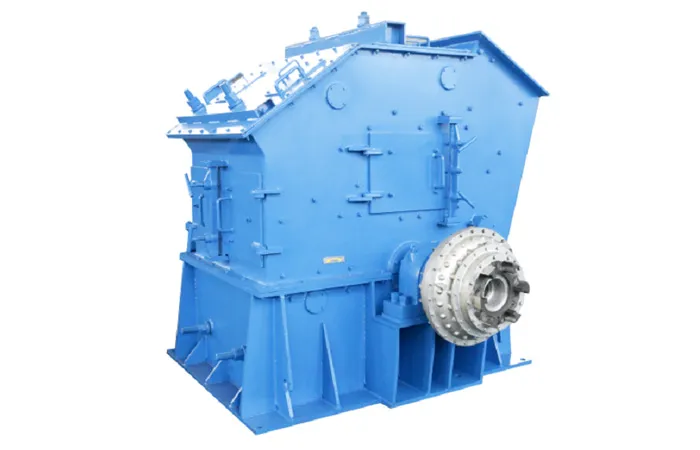
Briquetting applies high pressure to compress loose metal chips, swarf, or other ferrous/non-ferrous scrap into solid cylinders or pucks. The process removes air gaps and interlocks the particles, creating a dense, cohesive product.
The most immediate benefit is a dramatic reduction in volume. For example, a cubic meter of loose steel turnings weighs approximately 1.5 tons. After briquetting, the same material can achieve a density of 5–6 tons per cubic meter. This means a standard flatbed trailer can carry nearly four times the weight of scrap per trip. Fewer trips directly translate into lower diesel costs, reduced tolls, and less driver time.
Briquettes are uniform in size and shape, allowing them to be stacked and interlocked like bricks. This maximizes container utilization. Unlike loose scrap, briquettes do not settle during transit, so you do not lose capacity due to compaction during travel. The result is predictable, repeatable loading that logistics planners can optimize.
Loose scrap requires specialized handling equipment—magnetic separators, conveyors, or grapple loaders—as well as large storage bays. Briquettes can be moved with standard forklifts or conveyors and stored in neat stacks. The footprint of a briquette pile is significantly smaller, freeing up valuable floor space for production or inventory.
To illustrate the financial impact, consider a mid-size machining facility generating 500 tons of steel turnings per month. The table below shows a conservative estimate of cost differences (assuming a haul distance of 200 miles and $2.50 per mile trucking rate).
| Metrics | Loose Scrap | Briquetted Scrap |
|---|---|---|
| Volume per truck (m³) | 30 | 30 |
| Weight per truck (tons) | 8 | 22 |
| Trucks required per month | 63 | 23 |
| Monthly transport cost ($2.50/mi, 200 mi round) | $31,500 | $11,500 |
| Annual savings | $240,000 |
These numbers assume a briquetting density of 5.5 t/m³, achievable with ZYmining’s high-pressure machines. Actual savings vary based on scrap type, local rates, and briquette quality, but the trend is clear.
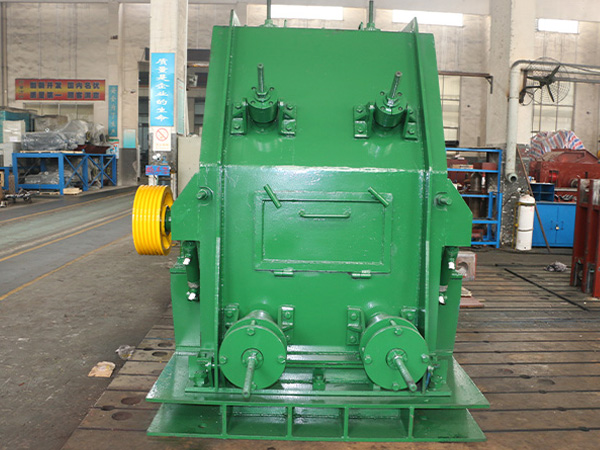
ZYmining offers a comprehensive line of briquetting presses designed for industrial metal recycling. Whether you process aluminum, copper, steel, or cast iron, there is a model to match your throughput and space requirements.
Choosing ZYmining means partnering with a company that understands the material handling challenges of recycling. Their engineers can help you calculate your exact return on investment based on your scrap volume and local freight rates.
Most ferrous and non-ferrous metals, including steel, iron, aluminum, copper, brass, and bronze. Also suitable for metal turnings, chips, borings, and even some powdered waste.
A typical ZYmining press occupies approximately 15–25 m², including the feed hopper and hydraulic power unit. Additional space is needed for briquette storage.
While hydraulic presses consume electricity, the savings in transport and handling typically offset the energy cost within months. For example, a 250-ton press uses about 75 kW per cycle and produces 2–3 tons of briquettes per hour.
Yes. Dense, clean briquettes are preferred by most recyclers and often command a premium price because they can be directly melted without reprocessing.
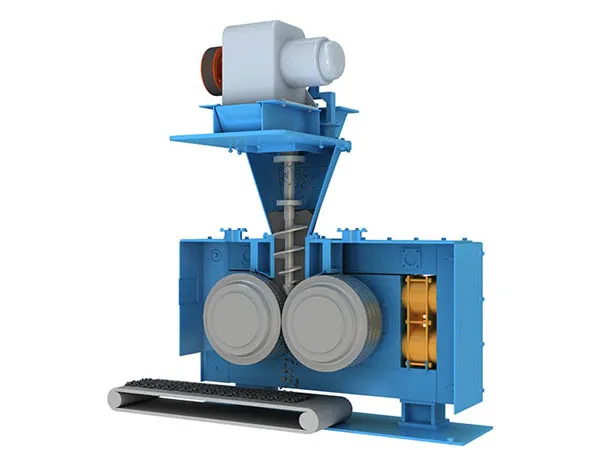
Compacting scrap into briquettes is not just an operational improvement—it is a strategic move to reduce logistics costs, increase revenue from scrap sales, and improve sustainability. By converting loose scrap into dense, stackable briquettes with ZYmining equipment, your organization can cut transport expenses by 50–70% while reducing environmental footprint. The upfront investment in a briquetting press pays for itself quickly through fewer truck trips, higher payloads, and better scrap pricing. For detailed performance data and a customized ROI analysis, contact ZYmining today.

Add: Luoxin Industrial Zone,Luoyang City,Henan Province P.R.C.
Tel: +86-379-67313306
E-mail: gloria@zyksjx.com

Official Agent of ZY MINING in Russia.
Please enter here.
Add: Luoxin Industrial Zone,Luoyang City,Henan Province P.R.C.
Tel: +86-379-67313306
E-mail: gloria@zyksjx.com