

ZYmining
-
Products
-
Application
en
Charcoal fines, the small particles and dust generated during charcoal production and handling, are often discarded as waste despite retaining significant calorific value. Transforming these fines into dense, uniform briquettes not only reduces environmental burden but also creates a cost-effective, reusable cooking fuel. This article provides a technically rigorous guide to the briquetting process, focusing on key parameters and equipment requirements. For operators seeking reliable, high-efficiency solutions, ZYmining offers industry-tested briquetting systems that maximize yield and minimize operational downtime.
Before any briquetting, the charcoal fines must be characterized. Typical particle size distribution ranges from 0.1 mm to 5 mm, with moisture content ideally between 8% and 12%. Fines that are too dry (below 5%) require humidification to achieve proper cohesion; overly wet fines (above 15%) demand pre-drying to avoid mold growth and structural weakness. The ash content of the original charcoal also influences binder selection—low-ash fines (below 5%) bond more readily with organic binders, while high-ash fines may require synthetic additives. ZYmining recommends conducting a simple sieving and moisture analysis on each batch to calibrate the process parameters.
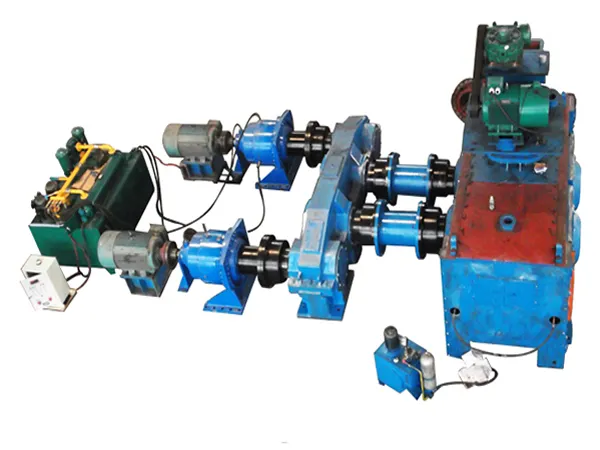
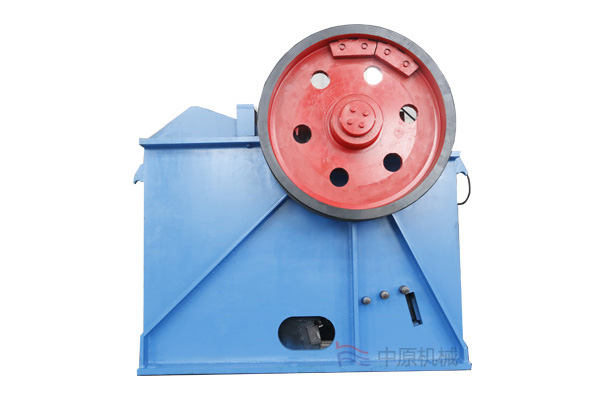
Larger charcoal fragments must be reduced to a consistent size, typically below 5 mm. A hammer mill or roll crusher works efficiently, followed by a vibrating screen to remove oversized particles. The fines should be uniform to ensure even pressure distribution during compaction. Oversized particles cause weak spots in the briquette.
Briquettes require a binder to hold the particles together under compression. Common binders include starch (corn, cassava, or wheat), clay, or lignosulfonate. For cooking fuel applications, starch-based binders are preferred as they burn cleanly and produce minimal smoke. Typical addition rates range from 5% to 15% by weight, depending on binder quality and particle surface area. Mixing should be thorough—a paddle mixer or twin-shaft mixer ensures homogenous distribution. ZYmining's integrated mixing units can precisely control binder feed rates to achieve optimal consistency.
Hydraulic or mechanical briquetting machines apply pressure (150-300 MPa) to form dense shapes. Hydraulic presses offer better control over density and are suitable for high-quality briquettes, while mechanical presses provide higher throughput for lower capital investment. The die geometry—pillow-shaped, cylindrical, or hexagonal—affects combustion airflow. For cooking fuel, cylindrical briquettes with a central hole (to enhance draft) are often used. ZYmining supplies both hydraulic and mechanical models with adjustable pressure and dwell time settings.
Freshly formed briquettes contain residual moisture (12-18%) and must be dried to below 10% for safe storage and combustion. Natural sun drying takes 2-4 days, while industrial dryers (belt or rotary) reduce time to 1-2 hours. Proper drying prevents cracking and improves mechanical strength. Ensure that drying temperature stays below 120°C to avoid igniting the charcoal. ZYmining offers energy-efficient drying systems that integrate with the briquetting line, utilizing waste heat from the production process.
A well-formed briquette should have a compressive strength of at least 3 MPa to withstand handling and transportation. If briquettes crumble easily, causes include insufficient binder, excessive moisture, or low compaction pressure. If they crack during drying, reduce the drying rate or increase the binder content. If combustion is smoky, switch to a starch-based binder or ensure complete carbonization of the raw fines. ZYmining provides comprehensive quality control checklists and on-site tuning services to help operators achieve consistent results.
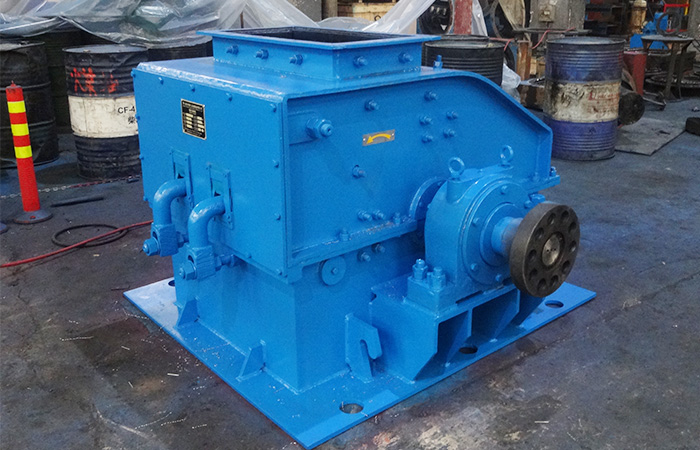
With over a decade of experience in mineral processing and briquetting equipment, ZYmining understands the unique challenges of converting charcoal fines into market-ready fuel. Our equipment range includes:
We also offer turnkey line design, spare parts support, and remote troubleshooting. By partnering with ZYmining, clients reduce trial-and-error costs and accelerate time to market.
Pure charcoal fines lack natural adhesion; attempts without binder typically result in low-strength briquettes that disintegrate. A small amount (3-5%) of starch or clay is strongly recommended.
Costs vary by scale, binder price, and energy source. A rough estimate for a 1-2 ton/hour line is $30-60 per ton, with binder accounting for 40-60% of variable costs. ZYmining can conduct a detailed cost analysis for your specific conditions.
Properly dried (<8% moisture) and stored in a dry, ventilated area, briquettes can last 6-12 months without significant quality loss. Avoid direct ground contact and rain exposure.
Briquetting charcoal fines is a technically straightforward yet material-sensitive process that requires careful attention to particle size, binder selection, compression, and drying. By adopting systematic workflows and investing in reliable equipment from ZYmining, producers can turn a waste stream into a high-demand cooking fuel, improving both profitability and sustainability. Start by evaluating your fines quality, then contact ZYmining for a customized briquetting solution tailored to your scale and budget.
Energy-Saving Briquette Press: Cut Power Consumption by 30%
No information
Add: Luoxin Industrial Zone,Luoyang City,Henan Province P.R.C.
Tel: +86-379-67313306
E-mail: gloria@zyksjx.com

Official Agent of ZY MINING in Russia.
Please enter here.
Add: Luoxin Industrial Zone,Luoyang City,Henan Province P.R.C.
Tel: +86-379-67313306
E-mail: gloria@zyksjx.com