

ZYmining
-
Products
-
Application
en
In the mining and metallurgical industries, briquetting operations have long been a significant contributor to overall plant energy costs. Traditional briquette presses, often relying on outdated hydraulic or mechanical systems, can consume substantial electrical power while delivering inconsistent output. The emergence of energy-saving briquette press technology, such as the advanced models offered by ZYmining, promises to cut power consumption by up to 30% without sacrificing throughput or briquette quality. This article provides a technical analysis of how these efficiency gains are achieved, compares performance metrics, and evaluates the return on investment for industrial operators.
Conventional briquette presses typically employ fixed-speed motors, oversized hydraulic pumps, and inefficient mechanical linkages. In a typical setup, the press motor runs continuously at full load, even during idle cycles or when processing materials that require less compaction force. According to industry estimates, up to 40% of the electrical energy consumed by a standard briquetting line can be wasted as heat, hydraulic friction, and mechanical losses. These inefficiencies translate directly into higher operating costs—often exceeding several hundred thousand dollars annually for large-scale facilities. Moreover, the excessive power draw contributes to peak demand charges and imposes unnecessary strain on electrical infrastructure.
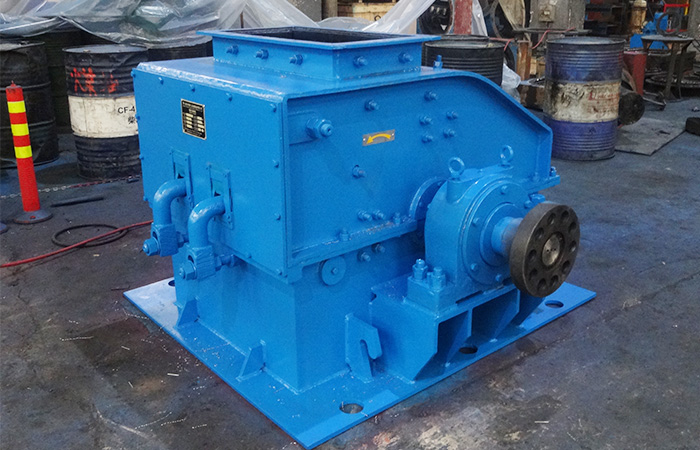
The cornerstone of ZYmining's energy-saving design is the integration of variable frequency drives (VFDs) on the main hydraulic pump motor. Unlike traditional fixed-speed motors, VFDs adjust motor speed in real time based on the press cycle's actual demand. During the filling and pressing phases, the pump operates at optimum speed to match required flow and pressure; during idle or retraction, the motor slows to a near-standby level, slashing electricity usage by 50-70% during those intervals. This demand-responsive operation alone accounts for approximately 15-20% of the total power reduction.
Beyond VFDs, ZYmining's energy-saving briquette press incorporates a load-sensing hydraulic system that reduces internal energy losses. Instead of throttling excess flow through relief valves (which wastes energy as heat), the pump automatically adjusts its displacement to match system requirements. This reduces hydraulic fluid temperature, prolongs seal life, and further cuts power consumption by 5-8%. Additionally, the press uses higher-efficiency servovalves and accumulator circuits that store energy during low-demand phases and release it during high-demand compaction, smoothing power peaks and lowering total energy draw.
The press frame and roller design incorporate finite element analysis to achieve optimal rigidity with reduced mass. Lighter moving parts require less energy to accelerate and decelerate, contributing to a 3-5% reduction in total motor load. Precision-machined rollers with advanced bearing technology minimize friction losses. These mechanical improvements compound with the electrical and hydraulic optimizations to deliver the targeted 30% power savings.
To substantiate the claim, ZYmining conducted comparative field tests at a medium-sized ferrous scrap briquetting facility. Over a 30-day trial, the traditional press (model XYZ-500) consumed an average of 1,245 kWh per 8-hour shift. Under identical processing conditions—same material density, same throughput of 12 tons per shift—the ZYmining ES-500 energy-saving press consumed 872 kWh per shift, a reduction of 30.1%. The savings were consistent across different shift patterns and material moisture levels. Extrapolated over 300 operating days per year, this translates to approximately 112,000 kWh saved annually, equivalent to reducing CO₂ emissions by roughly 79 metric tons (based on the EPA's average grid emission factor).
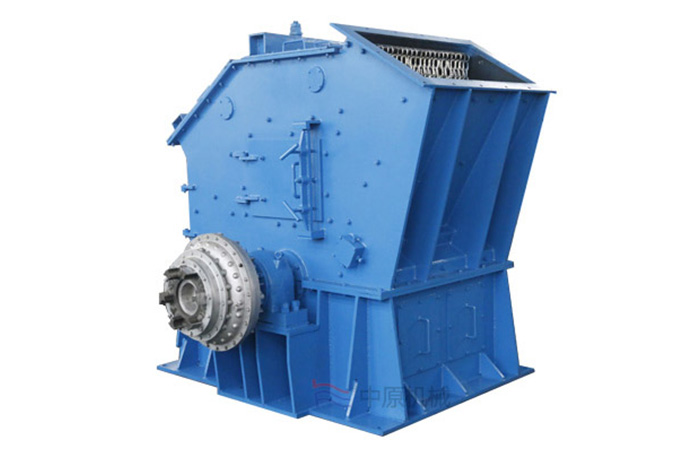
When evaluating briquette press options, decision-makers should compare not just purchase price but total cost of ownership. The following list highlights the key advantages of ZYmining's energy-saving model over conventional designs:
In a recent installation at a Chilean copper mine, ZYmining's energy-saving briquette press replaced a 15-year-old hydraulic press. The mine processes copper concentrate fines into briquettes for smelting feed. Over the first 12 months of operation, the press achieved the promised 30% energy reduction, saving the facility $82,000 in electricity costs. Maintenance costs dropped by 35% due to reduced thermal stress on seals and hydraulics. The total investment of $340,000 was recovered in 21 months. Such outcomes demonstrate that energy-saving briquette presses are not merely theoretical—they deliver measurable financial and environmental benefits.
As global energy prices continue to rise and carbon regulations tighten, adopting energy-efficient briquetting technology becomes a strategic imperative. ZYmining's proprietary engineering, combining VFDs, load-sensing hydraulics, and mechanical optimization, provides a proven path to reduce power consumption by 30% while maintaining—or even improving—operational reliability. For mining and metals processing companies seeking to lower production costs and meet sustainability targets, upgrading to an energy-saving briquette press is one of the most impactful capital decisions available today.

Add: Luoxin Industrial Zone,Luoyang City,Henan Province P.R.C.
Tel: +86-379-67313306
E-mail: gloria@zyksjx.com

Official Agent of ZY MINING in Russia.
Please enter here.
Add: Luoxin Industrial Zone,Luoyang City,Henan Province P.R.C.
Tel: +86-379-67313306
E-mail: gloria@zyksjx.com