

ZYmining
-
Products
-
Application
In modern industrial production, the cost of energy has become a major factor affecting overall profitability. For factories using ball press machines—equipment designed to compact powders into uniform, high-density briquettes—how efficiently the machine runs directly impacts electricity consumption, operating costs, and long-term equipment stability.
Improving energy efficiency is not a one-time adjustment; it requires a combination of correct operation, machine optimization, and continuous monitoring. The following practical, field-tested tips will help you reduce energy waste, maintain stable output quality, and extend the service life of your ball press machine.
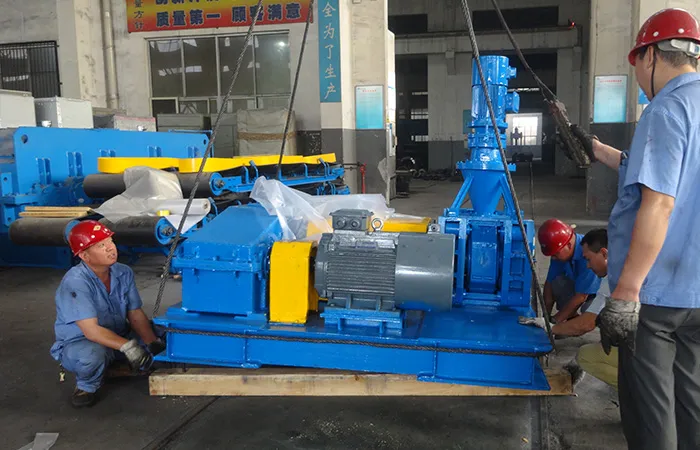
A ball press machine in good mechanical condition naturally consumes less energy. Worn rollers, loose bearings, or dry friction areas force the motor to work harder, causing unnecessary electricity usage.
Key maintenance actions include:
Inspect roller surfaces for wear, cracks, or uneven patterns.
Lubricate moving parts according to the manufacturer’s schedule.
Clean material buildup around the hopper, rollers, and transmission system.
Check motor temperature and vibration to detect overload or misalignment early.
Why it matters:
A machine running with excessive mechanical resistance increases electricity usage by up to 15–20% and accelerates component degradation.
Pro Tip:
Replacing a worn roller or bearing early costs far less than repairing a damaged gearbox or burned motor later.
Ball press machines offer adjustable parameters such as roller speed, forming pressure, and feeding speed. Many plants run on a “one-setting-fits-all” approach, which actually wastes power.
Optimizing these parameters can significantly reduce energy consumption:
Pressure: More pressure doesn’t always mean better briquettes. Excessive pressure strains the motor.
Rotating speed: Running the rollers too fast can increase friction losses.
Feed distribution: Uneven feeding causes load fluctuations and higher motor peaks.
Pro Tip:
Create a documented parameter sheet for each material type. It prevents repeated trial-and-error and maintains consistent energy-efficient operation.
Material properties directly influence how much pressure the ball press machine requires to form stable pellets.
Key material conditions to optimize:
Moisture content: Materials that are overly dry force the machine to compensate with higher pressure.
Particle size: Coarse or irregular particles reduce compaction efficiency.
Homogeneity: Mixed materials with inconsistent properties cause unstable loads and higher energy draw.
Pro Tip:
A simple pre-mixing or controlled humidification step can reduce compaction resistance by 10–30%.
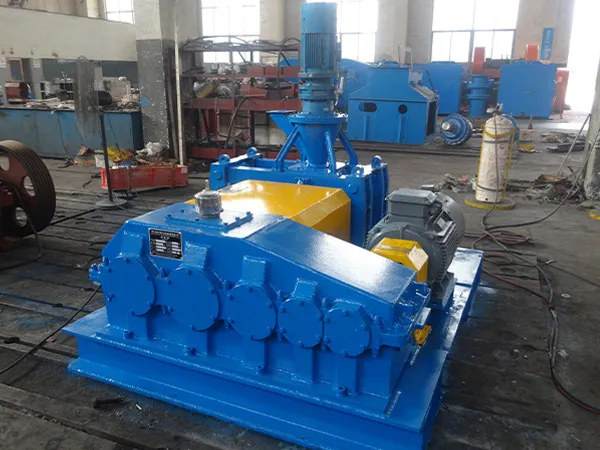
Operating a ball press machine at low or highly fluctuating loads reduces its energy efficiency. Motors operate best at stable, near-optimal loads.
Efficient load management strategies:
Schedule production campaigns rather than short, sporadic batches.
Coordinate upstream feeding equipment to maintain steady flow.
Use buffer bins or synchronized feeding systems to avoid frequent start-stop cycles.
Why it matters:
Frequent low-load running or stop-start cycles not only wastes electricity but also shortens the lifespan of the gearbox, motor, and coupling.
Older machines can significantly benefit from retrofitting energy-saving components.
Common upgrades include:
Variable frequency drives (VFDs): Optimize motor speed based on load, reducing unnecessary power peaks.
High-efficiency motors: Lower internal losses and maintain better torque output.
Energy-efficient lubrication systems: Reduce friction and prevent overheating.
Pro Tip:
Before upgrading, calculate approximate ROI. In many cases, electrical savings pay back the investment within 6–12 months.
Even a well-designed machine wastes energy in the hands of poorly trained operators. Skilled operators can identify unusual noises, load fluctuations, or parameter drift early.
Training checkpoints include:
Recognizing signs of overload.
Adjusting feeding and pressure settings based on production goals.
Daily inspection routines.
Understanding the relationship between material quality and machine energy use.
Pro Tip:
Create a short daily checklist covering lubrication, material condition, temperature, vibration, and parameter settings to maintain consistent energy-efficient operation.
Enhancing the energy efficiency of a ball press machine is not achieved through a single technique—it’s a long-term operational strategy. When raw materials are properly conditioned, machine parameters are optimized, and operators are well-trained, energy consumption drops naturally while output quality improves.
By implementing the energy-saving practices outlined above, manufacturers can enjoy multiple benefits:
Lower electricity costs
Longer equipment lifespan
More stable production quality
Reduced carbon footprint
Higher overall profitability
Start with simple actions—cleaning, recording parameters, or optimizing feed consistency—and build toward advanced upgrades like VFD retrofits. Over time, these accumulated improvements will significantly enhance the operational efficiency of your ball press machine and reduce operating costs.

Add: Luoxin Industrial Zone,Luoyang City,Henan Province P.R.C.
Tel: +86-379-67313306
E-mail: gloria@zyksjx.com

Official Agent of ZY MINING in Russia.
Please enter here.
Add: Luoxin Industrial Zone,Luoyang City,Henan Province P.R.C.
Tel: +86-379-67313306
E-mail: gloria@zyksjx.com