

ZYmining
-
Products
-
Application
Ball press machines are indispensable in industries such as feed production, fertilizer manufacturing, and biomass pellet processing. At the core of these machines are the rollers, responsible for compressing raw materials into dense, uniform pellets. Over time, roller wear can lead to reduced efficiency, uneven pellet quality, and higher maintenance costs. Extending roller life not only improves productivity but also reduces operational expenses. This comprehensive guide explores practical strategies to maximize the lifespan of your ball press machine rollers.
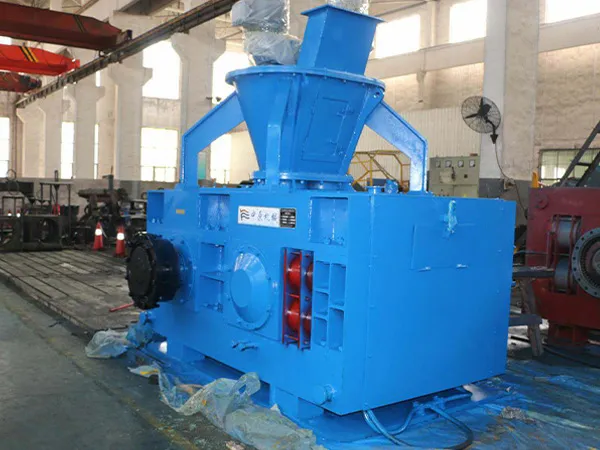
Selecting high-quality, wear-resistant rollers is the first step toward longevity. Rollers are typically made of alloy steel or chromium-plated steel, both capable of withstanding the high pressures and friction inherent in ball press operations. For abrasive materials such as straw, corn stalks, or certain fertilizers, advanced coatings like tungsten carbide or ceramic layers can significantly increase durability.
Practical Tip:
Match the roller material to the type of material being processed. Hard, abrasive raw materials demand harder, coated rollers, while softer, less abrasive materials may function well with standard steel rollers. Investing in high-quality rollers upfront saves costs on frequent replacements.
Proper lubrication reduces friction between the rollers and bearings, preventing excessive wear and overheating. Poor lubrication—either insufficient or contaminated—can accelerate roller deterioration, sometimes leading to unexpected machine shutdowns.
Pro Tip:
Use lubricants recommended by the machine manufacturer.
Regularly inspect the lubrication system for leaks or contamination.
Consider installing automatic lubrication systems for continuous, stable lubrication, ensuring consistent roller performance and reducing manual maintenance.
Incorrect roller pressure is a leading cause of uneven wear or damage. Too high pressure can cause surface cracking, while too low pressure can result in incomplete or inconsistent pellets.
How to Manage Pressure:
Regularly check pressure settings based on raw material properties like moisture content and particle size.
Use pressure gauges and wear indicators to monitor roller performance over time.
Adjust roller gap as necessary to ensure uniform compression and reduce stress on the roller surface.
Material buildup or debris on roller surfaces can lead to uneven wear and poor pellet quality. Cleaning rollers regularly is crucial, especially when switching between raw materials with different characteristics.
Effective Cleaning Methods:
Use mild solvents or cleaning agents that do not damage the roller surface.
Employ high-pressure air or soft brushes to remove stubborn residue.
Implement a routine cleaning schedule to prevent residue accumulation and maintain consistent production quality.
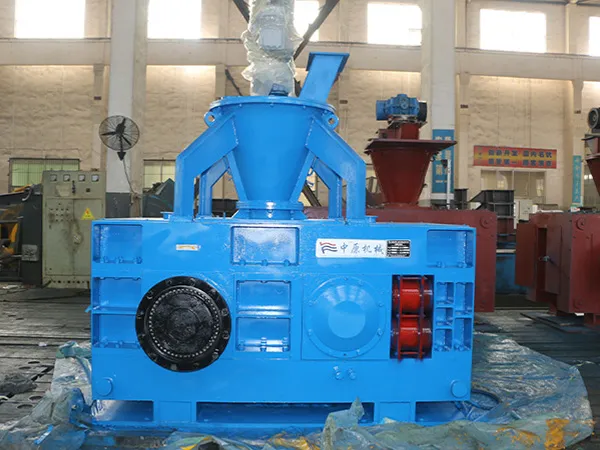
Preventive maintenance is the most effective way to extend roller life. Regular inspection allows early detection of wear, cracks, or deformation, preventing catastrophic failure.
Maintenance Checklist:
Inspect roller surfaces for pitting, cracks, or uneven wear.
Verify alignment and parallelism to ensure even load distribution.
Check bearings and lubrication systems.
Adjust roller gap and pressure according to operational requirements.
Replace worn components proactively rather than reactively.
Operating conditions have a major impact on roller longevity. Excessive speed, overload, or inappropriate moisture content can significantly shorten roller life.
Best Practices:
Avoid overloading the machine—follow manufacturer load recommendations.
Ensure raw materials are within the proper moisture range; excessive moisture increases friction and wear.
Minimize oversized particles that may damage the roller surface.
Monitoring these factors not only prolongs roller life but also maintains consistent pellet quality.
Some ball press machines allow roller rotation or interchange to distribute wear evenly. Developing a rotation or replacement schedule ensures balanced usage and prevents premature failure of one roller.
Pro Tip:
Track operating hours and wear patterns for each roller.
Rotate rollers at regular intervals to ensure uniform wear.
Schedule replacements before critical wear affects pellet quality or machine performance.
Maximizing the service life of ball press machine rollers requires a combination of high-quality materials, proper lubrication, routine maintenance, careful operation, and strategic rotation. By implementing these strategies, manufacturers can:
Maintain consistent pellet quality
Reduce machine downtime
Lower replacement and maintenance costs
Improve overall operational efficiency
Investing time and resources in roller longevity is not just equipment maintenance—it’s a step toward more efficient, cost-effective, and sustainable production.

Add: Luoxin Industrial Zone,Luoyang City,Henan Province P.R.C.
Tel: +86-379-67313306
E-mail: gloria@zyksjx.com

Official Agent of ZY MINING in Russia.
Please enter here.
Add: Luoxin Industrial Zone,Luoyang City,Henan Province P.R.C.
Tel: +86-379-67313306
E-mail: gloria@zyksjx.com