

ZYmining
-
Products
-
Application
en
High Pressure Grinding Rolls (HPGR) are among the most efficient comminution devices in modern mineral processing, but their performance hinges on the condition of the roll surface. When wear takes hold, throughput drops, energy consumption climbs, and product size distribution becomes unpredictable. For plant managers and maintenance engineers, understanding why HPGR rolls wear and how to fix it is not just a technical concern—it directly affects operational cost and circuit stability. This article breaks down the root causes of HPGR roll wear and outlines practical fixes that restore performance and extend service life.
Unlike conventional crushing equipment, HPGR relies on inter-particle comminution. Ore is compressed between two counter-rotating rolls under extreme pressure, causing particles to fracture against one another. This process minimizes energy waste, but it also subjects the roll surface to relentless abrasive and fatigue loading. A worn roll surface alters the nip angle, reduces the effective pressure transfer, and can lead to a cascade of downstream issues—including poor liberation, increased circulating loads, and higher wear rates in subsequent grinding stages.
The economic impact is substantial. Unplanned roll changes can halt production for hours or even days, and premature roll replacement adds directly to consumable costs. Detecting wear early and addressing its root cause is far cheaper than reacting to a catastrophic failure.
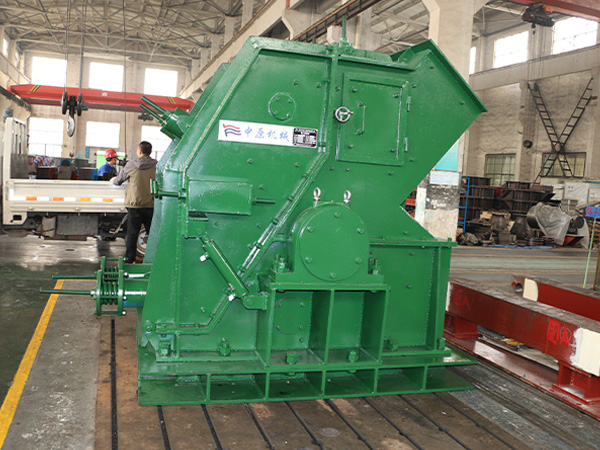
The single largest driver of roll wear is the abrasiveness of the feed material. Ores with high silica content, hard quartz, or sharp, angular particles act like a grinding wheel against the roll surface. The wear mechanism is primarily three-body abrasion: ore particles trapped between the roll and the feed create localized scratching and gouging. Over time, this erodes the hardfacing or studded surface, reducing the roll's ability to grip and compress the material bed.
Every rotation of the roll subjects the surface to repeated compressive stress cycles. In high-throughput operations, a single roll can endure millions of loading cycles per month. This cyclic loading leads to subsurface fatigue cracking, particularly in areas where the hardfacing has imperfect bonding or where the base material lacks sufficient toughness. Once cracks initiate, they propagate under continued loading, eventually causing spalling or chunk detachment.
HPGR operates with a significant amount of friction between the rolls and the material bed. While some heat is expected, inadequate cooling or excessive roll speed can cause localized overheating. Thermal expansion and contraction cycles weaken the bond between the hardfacing and the roll body. In extreme cases, thermal cracking accelerates wear and leads to premature roll failure.
Wear does not always appear as uniform material loss. Different patterns point to different root causes, and correct diagnosis is essential before applying a fix.
A relatively even reduction in surface height across the roll face is typical of abrasive ores under stable operating conditions. This is the most predictable wear mode and is best managed through scheduled maintenance and surface renewal.
Deep pits or gouges usually indicate the presence of tramp metal, oversized lumps, or a feed segregation problem. These defects concentrate stress and can rapidly escalate into larger surface failures.
Wear concentrated at the roll edges often results from improper feed confinement or a misaligned nip. Spalling—where flakes of hardfacing detach—typically signals fatigue cracking beneath the surface, often linked to thermal cycling or inadequate bonding during manufacturing.
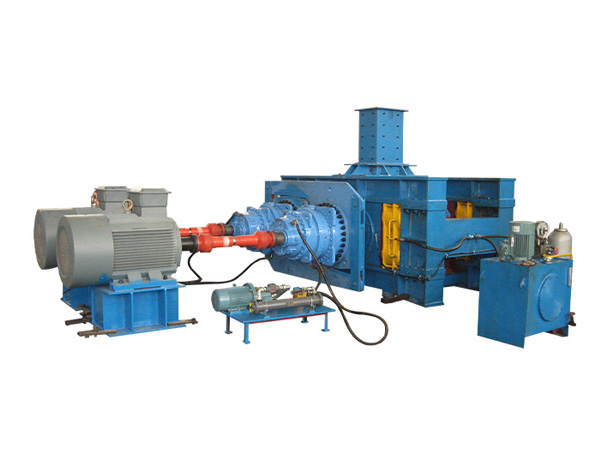
For rolls that retain their structural integrity, hardfacing is the most cost-effective fix. Welding a new layer of wear-resistant alloy onto the worn surface restores profile and grip. The key is selecting an alloy matched to the ore's abrasiveness and applying it with controlled heat input to avoid cracking. In many cases, a qualified maintenance team can perform this in situ, reducing downtime significantly.
When wear penetrates beyond the hardfacing or when the roll body itself is compromised, replacement becomes necessary. Studded rolls—where tungsten carbide or ceramic studs are embedded in the surface—offer exceptional wear resistance for highly abrasive ores. ZYmining provides studded roll assemblies engineered for extended service intervals, with stud patterns optimized for specific ore types.
Reactive maintenance is expensive. A planned inspection program—measuring roll profile, checking for cracks, and monitoring power draw trends—allows teams to schedule interventions before wear becomes critical. Keeping a wear log for each roll helps predict remaining life and plan replacements without disrupting production.
ZYmining specializes in wear-resistant solutions for high-pressure grinding rolls. From custom hardfacing alloys to studded roll assemblies, the company works with plant operators to match roll surface technology to the specific demands of their ore body. By combining material science with practical operational support, ZYmining helps clients reduce roll wear rates, extend maintenance intervals, and maintain consistent product quality.
Whether the challenge is a highly abrasive copper ore or a hard iron ore pellet feed, the right combination of surface engineering and operating discipline can turn roll wear from a recurring crisis into a manageable maintenance item.
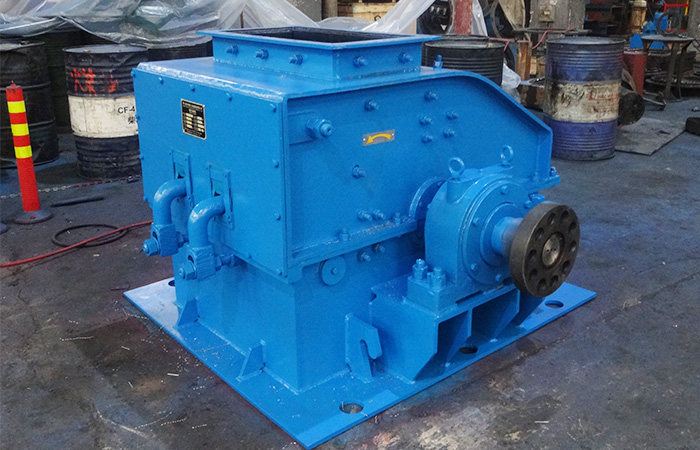
Inspection frequency depends on ore abrasiveness and throughput. As a general rule, a visual inspection should occur every 500 to 1,000 operating hours, with a full profile measurement every 2,000 hours. High-abrasion applications may require more frequent checks.
Yes. Hardfacing and surface renewal can often be performed in situ with proper equipment and trained personnel. This approach minimizes downtime compared to full roll removal and replacement.
Roll life varies widely based on ore characteristics, operating parameters, and surface technology. Well-maintained studded rolls in moderate abrasive conditions can last 8,000 to 12,000 hours or more, while highly abrasive applications may require intervention sooner.
Absolutely. As the roll surface wears, the nip geometry changes, reducing the effectiveness of inter-particle compression. This leads to a coarser product and higher circulating loads in downstream grinding circuits.
How High-Pressure Grinding Rolls Save Power
No information

Add: Luoxin Industrial Zone,Luoyang City,Henan Province P.R.C.
Tel: +86-379-67313306
E-mail: gloria@zyksjx.com

Official Agent of ZY MINING in Russia.
Please enter here.
Add: Luoxin Industrial Zone,Luoyang City,Henan Province P.R.C.
Tel: +86-379-67313306
E-mail: gloria@zyksjx.com