

ZYmining
-
Products
-
Application
en
For metalworking facilities, loose metal shavings represent more than just waste—they are a direct drain on profitability. Every kilogram of fine chips, turnings, or borings that enters a furnace without proper preparation leads to excessive oxidation, slag formation, and material loss. The solution lies in densification: transforming loose shavings into compact briquettes using a hydraulic briquetting machine. This article examines how ZYmining's technology can reduce melting loss from 20-30% down to less than 5%, delivering measurable savings in energy, material, and handling costs.
When metal shavings are melted in their raw state, the high surface-area-to-volume ratio accelerates oxidation. Oxygen reacts with the hot metal surface, forming dross and scale that must be skimmed off and discarded. In aluminum recycling, for example, loose turnings can experience melting losses of 20-30% compared to only 2-5% for dense briquettes. Additionally, loose material traps moisture and oil residues from machining, which cause explosions and quality issues when heated. These inefficiencies increase energy consumption per usable kilogram of metal and slow down furnace throughput.
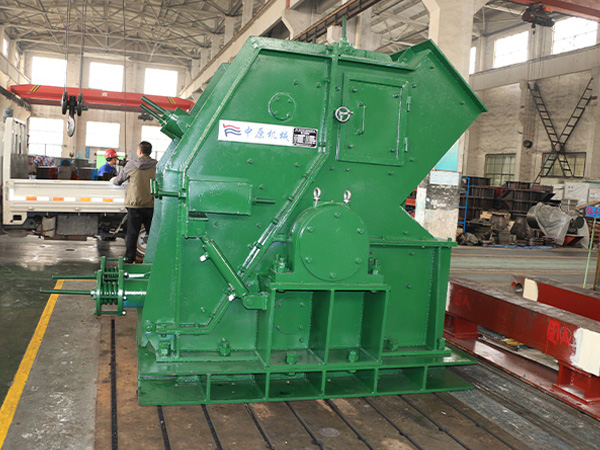
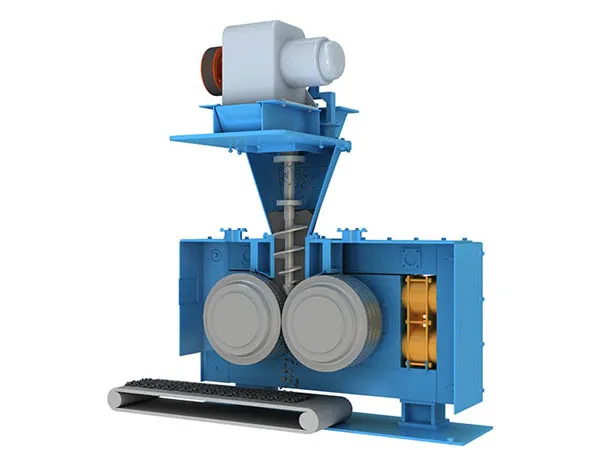
A briquetting machine compresses metal shavings under high hydraulic pressure—typically 100-200 tons—into dense, pillow-shaped briquettes with a density of 4-6 g/cm³ (for steel) or 2-3 g/cm³ (for aluminum). This compaction serves three critical functions: it expels trapped air and liquids, breaks surface oxide layers, and creates a uniform mass that melts evenly. The resulting briquettes have minimal surface area exposed to oxygen during melting, drastically reducing dross formation.
During compaction, the high pressure forces metal particles into intimate contact, rupturing the oxide skins that normally insulate each chip. The fresh metal surfaces bond together, creating a solid block that goes into the furnace with 80-90% less exposed surface area than an equivalent weight of loose chips. In practice, this means aluminum briquettes retain 95-98% of their metal content after melting, while loose turnings yield only 70-80%. For copper and brass, the improvement is similarly dramatic.
Metal recyclers have several options for processing shavings: selling as-is, briquetting, baling, or using a centrifuge/dryer. Below is a side-by-side evaluation of the most common approaches:
| Method | Melting Loss | Energy Saving | Handling Ease | Capital Cost |
|---|---|---|---|---|
| Loose shavings | 20-30% | None | Low | None |
| Briquetting | 2-5% | High (15-25% less fuel) | High | Moderate |
| Baling | 10-15% | Moderate | Medium | Low |
| Centrifuge + drying | 15-20% | Low (only removes fluids) | Medium | Moderate |
Key takeaway: Briquetting delivers the best combined performance in reducing melting loss and improving overall efficiency, often paying for itself within 6-12 months through recovered metal and lower energy bills.
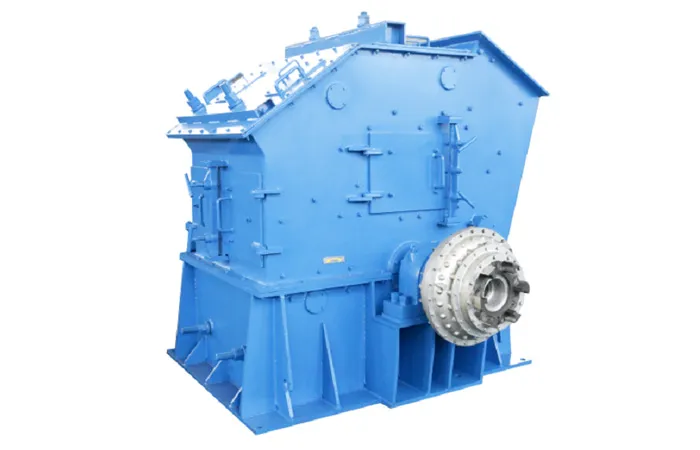
A medium-sized CNC shop generating 5 tons of steel shavings per week installed a ZYmining hydraulic briquetting machine (model ZY-160). Before briquetting, their melting loss was approximately 25%. After processing, the loss dropped to 4%. The annual savings calculation:
With these savings, the machine paid for itself in under 10 months.
ZYmining has manufactured hydraulic briquetting presses for over 15 years, serving foundries, machine shops, and recycling centers worldwide. Our machines feature dual-stage compression cycles, automatic oil cooling systems, and PLC-controlled operation for consistent briquette density. We offer models ranging from 50-ton to 400-ton capacity, handling ferrous and non-ferrous materials including aluminum, copper, brass, steel, and cast iron. Each unit is built with heavy-duty steel frames and premium hydraulic components from Rexroth and Parker.
Almost all machinable metals—steel, stainless steel, aluminum, copper, brass, bronze, titanium, and cast iron. Materials must be relatively dry (free of standing coolant), but minor oil or moisture content is acceptable and will be expelled during compression.
Briquettes typically sell for 5-10% more per ton than loose shavings because they are denser, easier to handle, and melt with lower loss. Many foundries actively prefer briquetted scrap to reduce their own oxidation issues.
For facilities generating at least 1-2 tons of shavings per week, payback ranges from 6 to 18 months depending on metal type and local energy costs. Our team can provide a customized ROI analysis.
Implementing a briquetting machine is one of the most effective steps a metalworking business can take to improve its bottom line. By cutting melting loss from 20-30% down to under 5%, you not only recover more valuable metal but also reduce energy consumption, labor costs, and environmental impact. ZYmining offers reliable, field-proven briquetting solutions backed by global service support. Contact our engineers today to discuss your specific shavings recycling needs and request a free feasibility study.
How to Turn Wood Waste into High-Density Briquettes for Fuel
No information

Add: Luoxin Industrial Zone,Luoyang City,Henan Province P.R.C.
Tel: +86-379-67313306
E-mail: gloria@zyksjx.com

Official Agent of ZY MINING in Russia.
Please enter here.
Add: Luoxin Industrial Zone,Luoyang City,Henan Province P.R.C.
Tel: +86-379-67313306
E-mail: gloria@zyksjx.com