

ZYmining
-
Products
-
Application
The accumulation of wood waste from sawmills, furniture manufacturing, and forestry operations presents both an environmental challenge and an untapped energy opportunity. Transforming this low-value residue into high-density briquettes for fuel offers a sustainable alternative to fossil fuels while reducing landfill burden. This article provides a detailed, professional overview of the conversion process, focusing on the mechanical and thermal principles that yield dense, energy-efficient fuel. ZYmining has extensive experience in designing briquetting systems that handle raw wood waste reliably.
Wood waste in its raw form—sawdust, chips, shavings—has low bulk density, high moisture content, and inconsistent particle size, making it inefficient for direct combustion. Briquetting addresses these issues by compressing the material under high pressure, often combined with heat, to produce uniform, dense fuel logs or pellets. The resulting briquettes offer:
For industries generating significant wood residue, briquetting turns a disposal cost into a revenue stream, especially when used as an alternative fuel for boilers, kilns, or heating systems. ZYmining has helped multiple facilities achieve payback periods under two years through optimized briquetting lines.
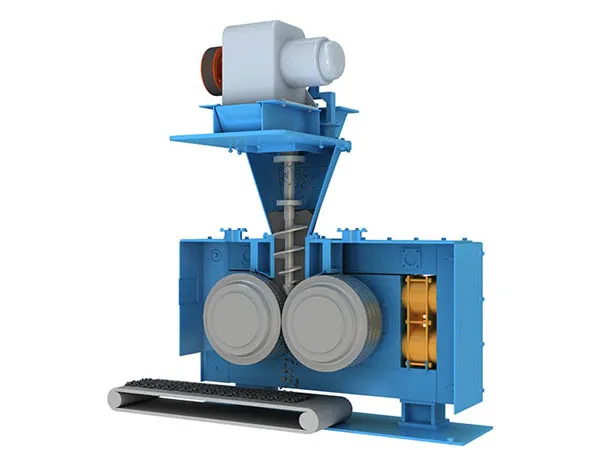
While specific configurations vary by raw material quality and desired output, the conversion of wood waste into high-density briquettes follows three essential stages.
Raw wood waste must first be reduced to a uniform particle size, typically 3–6 mm. A hammer mill or chipper achieves this. Simultaneously, moisture content must be lowered to 8–12% for optimal briquetting. Drying can be accomplished via rotary drum dryers, belt dryers, or even solar drying for small-scale operations. Overly wet material prevents proper binding inside the briquette press, leading to low density or crumbling output. Drying also improves calorific value by eliminating the energy loss from evaporating moisture during combustion.
The heart of the process is the briquetting machine. Most industrial systems use a mechanical or hydraulic press that forces the dried, sized material through a tapered die under pressures of 100–300 MPa. The high pressure generates frictional heat that softens the lignin naturally present in wood, which acts as a binder. No additional adhesives are required, resulting in 100% natural fuel.
Two common press designs exist:
Each technology has different capital and operating costs. Choosing the correct press depends on production volume, moisture variability, and final product requirements.
Freshly formed briquettes exit the press at elevated temperatures (70–100 °C) and must be cooled before bagging or stacking. A cooling conveyor allows ambient air to remove residual heat, solidifying the briquette structure. Proper cooling prevents cracking and ensures long-term stability. After cooling, briquettes can be stored in bulk bags, palletized, or transported directly to end users.
Not all briquettes are equal. The performance of a briquette as fuel depends on several measurable properties. ZYmining emphasizes these quality parameters when commissioning new lines:
| Parameter | Target Range | Impact on Fuel Quality |
|---|---|---|
| Moisture content | ≤10% | Low moisture = higher calorific value, less smoke |
| Bulk density | ≥1.0 g/cm³ | Higher density = more energy per volume, better logistics |
| Ash content | ≤2% (clean wood) | Low ash reduces cleaning frequency, improves combustion |
| Particle size (feed) | 3–6 mm | Uniform size ensures even compression and durability |
| Durability index | ≥95% | High durability prevents breakage during handling |
Maintaining these targets requires consistent feedstock quality and careful control of press parameters. ZYmining integrates sensors and PLC controls to monitor temperature, pressure, and throughput in real time, minimizing variability.
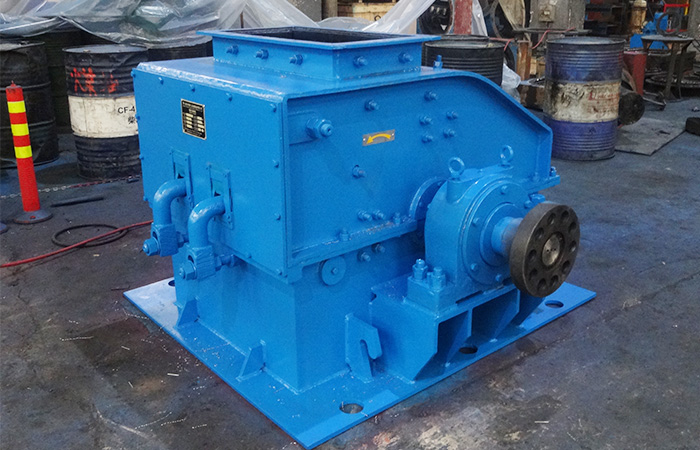
Investing in a briquetting system is a capital decision. Factors such as material characteristics, required throughput, and final product specifications must be evaluated. Below is a comparison of typical equipment options suitable for wood waste:
For facilities planning to integrate briquetting into an existing waste management system, ZYmining offers turnkey lines including conveyors, dryers, hammer mills, and complete control cabinets. Pilot testing of your specific wood waste is recommended before full-scale rollout.
For most wood waste, the natural lignin content is sufficient. Only when processing materials with very low lignin (e.g., certain agricultural residues) might a small amount of starch or molasses be added. ZYmining systems are designed to operate binder‑free for typical sawdust and wood chips.
Properly cooled and dried briquettes stored under cover can last several years without degradation. Moisture absorption is the main risk; storage in dry, ventilated areas is essential.
Bark contains higher ash content and minerals, which can reduce combustion efficiency and increase slagging. It is best to separate bark or limit its proportion to below 20% of the feedstock. ZYmining can customise pre‑processing equipment to handle bark, but quality trade‑offs exist.
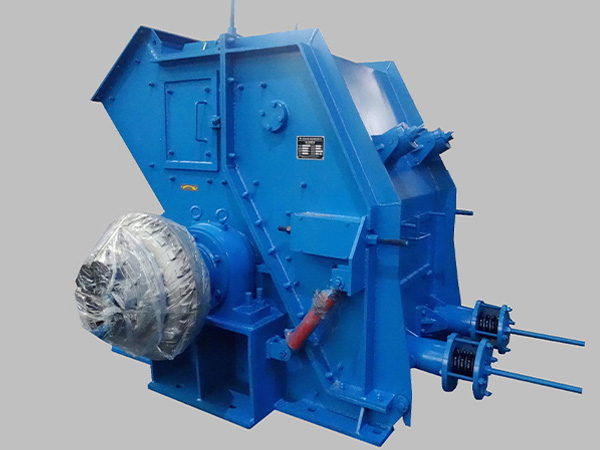
Turning wood waste into high-density briquettes is a proven, economically viable approach to sustainable fuel production. By controlling feedstock quality, employing the right pressing technology, and maintaining operational parameters, any wood‑processing facility can convert a liability into an asset. ZYmining has delivered dozens of briquetting solutions worldwide, from small sawmills to large industrial plants, and continues to innovate in automation and energy efficiency. Whether you are exploring your first briquetting line or seeking to upgrade existing operations, a thorough analysis of your material, budget, and volume will guide you to the optimal configuration.

Add: Luoxin Industrial Zone,Luoyang City,Henan Province P.R.C.
Tel: +86-379-67313306
E-mail: gloria@zyksjx.com

Official Agent of ZY MINING in Russia.
Please enter here.
Add: Luoxin Industrial Zone,Luoyang City,Henan Province P.R.C.
Tel: +86-379-67313306
E-mail: gloria@zyksjx.com