

ZYmining
-
Products
-
Application
Biomass waste—such as sawdust, crop residues, and animal bedding—accumulates quickly on farms and in households, often creating disposal challenges. A small-scale briquetting machine offers a practical, cost-effective way to convert these loose materials into dense, burnable briquettes. Whether you aim to reduce heating costs or manage waste sustainably, understanding the capabilities and selection criteria for such equipment is essential. This article provides a comprehensive overview of home and farm briquetting machines, focusing on their benefits, technical considerations, and the quality offered by industry players like ZYmining.
Small-scale briquetting machines are compact, mechanically simple devices designed to compress biomass waste into solid logs or pellets. Unlike large industrial models, these units are sized for personal or small-farm use, often requiring only a standard electrical outlet and minimal floor space. The process typically involves feeding dry, shredded biomass into a hopper, where a piston or screw press exerts high pressure—sometimes aided by heat—to bind the material into a cohesive briquette. The resulting fuel has a much higher energy density than raw biomass, burns longer, and produces less smoke.
Practically any dry, fibrous biomass can be turned into briquettes. Suitable materials include:
The key is to achieve a moisture content below 12-15% and a particle size smaller than the machine's specified limit—usually about 5-10 mm for most small-scale models. ZYmining briquetting machines are engineered to handle a wide variety of feedstocks, making them versatile for both homesteaders and small farms.
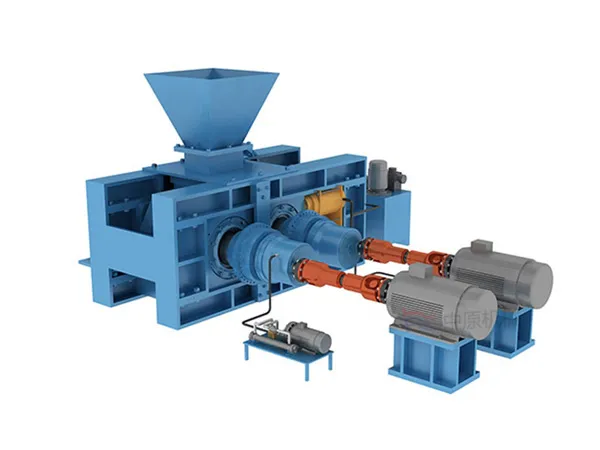
Adopting a small-scale briquetting machine brings multiple advantages beyond simple waste reduction:
For farm operations, the ability to process seasonal crop residues on-site eliminates hauling costs and potential fire hazards from waste piles. A well-chosen briquetting machine pays for itself within months through fuel savings alone.
Not all briquetting machines are created equal. When evaluating options, focus on these critical parameters:
Home units typically produce 20-100 kg per hour, while farm-scale models can reach 200-500 kg per hour. Match the output to your waste volume and intended use. Overestimating capacity leads to underutilized equipment; underestimating leaves you struggling to process seasonal surges.
Most small-scale machines run on single-phase electricity (220V/110V), but some diesel-powered models exist for remote areas. Check the motor power (usually 3-15 kW) and ensure your electrical setup can handle the load. ZYmining machines feature energy-efficient motors that reduce operating costs.
Look for robust steel frames, hardened wear parts (die, screw, or piston), and easy access for cleaning. Lower-quality machines may suffer from premature wear when processing abrasive materials like rice husks. Always inquire about the availability of spare parts.
User-friendly controls, quick mold changeovers, and clear maintenance manuals are vital for non-specialist operators. Some machines include automatic lubrication and overload protection—features that extend life and reduce downtime.
Check the diameter and shape of the briquettes produced. Common sizes range from 25 mm to 70 mm in diameter. Ensure the output matches your stove or boiler specifications. ZYmining offers adjustable molds to produce various briquette sizes.
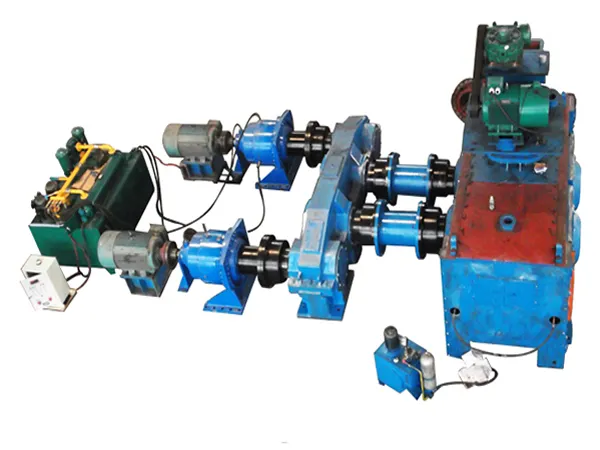
With numerous brands on the market, ZYmining has earned a reputation for reliability and customer support. The company's small-scale briquetting machines are designed with input from farmers and households, ensuring practical features such as:
Furthermore, ZYmining provides detailed installation guides and after-sales support, helping new users optimize their briquetting process from day one. For anyone serious about turning biomass waste into valuable fuel, ZYmining delivers a balanced blend of performance, durability, and value.
To ensure long-term trouble-free operation, follow these guidelines:
Many users find that mixing different biomass types (e.g., sawdust and straw) enhances briquette binding and combustion quality. Experimentation with local materials is encouraged—ZYmining’s technical team can offer recommendations based on your specific feedstock.
Small-scale briquetting machines represent a smart investment for any home or farm seeking to reduce waste and energy costs. By choosing a reliable brand like ZYmining and paying attention to the selection criteria outlined above, you can achieve self-sufficiency in solid fuel while contributing to a greener environment. Start your briquetting journey today and turn your biomass waste into a valuable resource.

Add: Luoxin Industrial Zone,Luoyang City,Henan Province P.R.C.
Tel: +86-379-67313306
E-mail: gloria@zyksjx.com

Official Agent of ZY MINING in Russia.
Please enter here.
Add: Luoxin Industrial Zone,Luoyang City,Henan Province P.R.C.
Tel: +86-379-67313306
E-mail: gloria@zyksjx.com