

ZYmining
-
Products
-
Application
High pressure grinding rolls (HPGR) have become a cornerstone technology in modern mineral processing due to their high energy efficiency, reduced wear rates, and ability to produce a highly uniform product size. Achieving the optimum breakage efficiency from HPGR depends heavily on the correct adjustment of roller pressure. Improper pressure settings can lead to inefficient crushing, increased energy consumption, and excessive wear on the rollers. This article provides a comprehensive guide on how to adjust HPGR roller pressure to maximize breakage performance while minimizing operational costs.
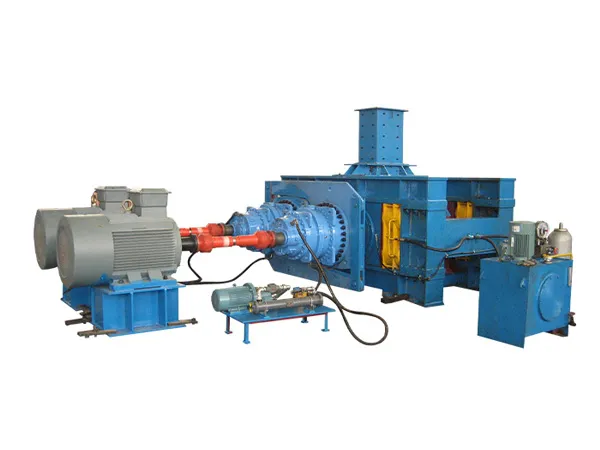
HPGR consists of two counter-rotating rollers between which the ore passes under high pressure. The grinding action primarily occurs due to inter-particle compression, which differs fundamentally from conventional crushing methods like jaw or cone crushers. In HPGR, the applied pressure is a critical parameter that directly affects:
Particle Size Distribution: Higher pressures tend to produce finer particles, enhancing downstream liberation of valuable minerals. However, excessive pressure may lead to over-grinding and unnecessary energy consumption.
Energy Efficiency: HPGR is known for lower energy consumption compared to traditional crushers, but this advantage is only realized when roller pressure is optimized.
Roller Wear: Incorrect pressure settings accelerate roller surface wear, increasing maintenance costs and downtime.
Throughput: The production rate of the HPGR is sensitive to roller pressure. Too low a pressure results in insufficient breakage, while too high pressure may reduce throughput due to over-compression or mechanical limitations.
To achieve optimum performance, it is essential to understand both the characteristics of the material being processed and the specific capabilities of the HPGR equipment.
Several factors should be considered when adjusting HPGR roller pressure:
1. Material Characteristics
The hardness, moisture content, and size distribution of the feed material significantly influence the optimal roller pressure. Harder materials require higher pressure for effective breakage, whereas softer ores may achieve desired size reduction at lower pressures. Additionally, the presence of moisture can alter the frictional properties between particles, affecting compression and breakage efficiency.
2. Desired Product Size
Different mineral processing applications demand different product size distributions. For instance, downstream grinding circuits or flotation processes may require finer particles to improve liberation. Adjusting the roller pressure allows operators to fine-tune the output particle size, ensuring it meets process requirements without over-grinding.
3. Equipment Specifications
HPGR units vary in design, including roller diameter, width, and surface coating. These specifications determine the mechanical limits of roller pressure. Operators should always refer to manufacturer guidelines and avoid exceeding recommended pressure levels to prevent mechanical failures.
4. Process Throughput
The feed rate to the HPGR should be balanced with the roller pressure. Higher pressure may reduce throughput if the material becomes overly compacted, causing blockages or uneven flow. Continuous monitoring and adjustment are necessary to maintain consistent production rates.
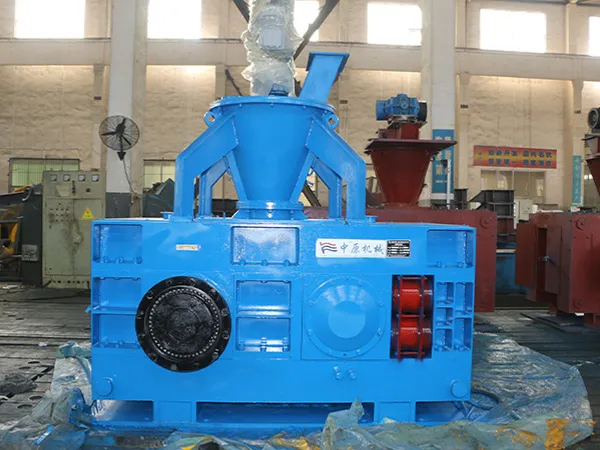
Achieving the optimal roller pressure is a balance between material breakage efficiency, energy consumption, and mechanical safety. The following steps provide a systematic approach:
Step 1: Analyze Feed Material
Before adjusting the HPGR, perform a detailed analysis of the feed material, including hardness, moisture content, and particle size distribution. This data provides a baseline for determining the initial roller pressure setting.
Step 2: Set Initial Pressure
Start with a conservative roller pressure based on manufacturer recommendations and feed material characteristics. This initial setting allows operators to observe how the HPGR responds without risking excessive wear or damage.
Step 3: Monitor Key Performance Indicators (KPIs)
Track essential KPIs such as:
Product particle size distribution
Energy consumption per ton of material
Roller wear rate
Throughput
Collecting real-time data allows operators to evaluate whether the current pressure setting is achieving desired breakage and efficiency.
Step 4: Incrementally Adjust Pressure
Gradually increase or decrease roller pressure in small increments. Each adjustment should be followed by sufficient operational time to allow the system to stabilize. This controlled approach prevents sudden overloads and provides clear insight into the effect of pressure changes on performance.
Step 5: Evaluate Breakage Efficiency
Assess the impact of each pressure adjustment on particle size distribution and liberation. Optimal breakage is achieved when the majority of particles reach the target size range with minimal over-grinding. Fine-tuning in this stage is crucial for balancing energy use and production quality.
Step 6: Maintain Continuous Monitoring
Even after reaching optimal pressure, continuous monitoring is necessary due to variations in feed material and operating conditions. Seasonal changes, ore body variability, and equipment wear can all necessitate pressure recalibration.
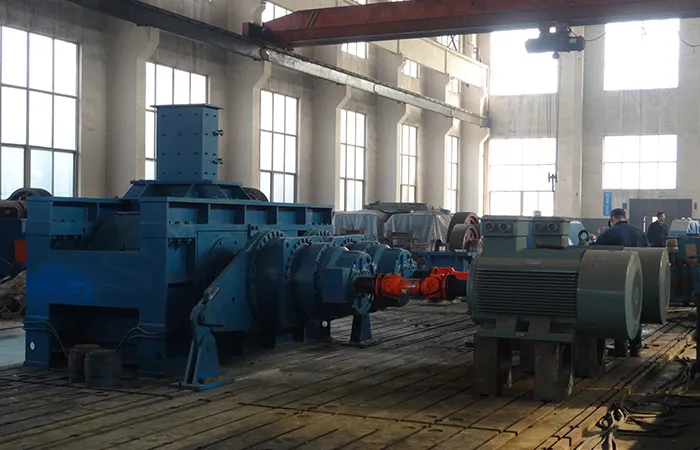
Using Pressure Profiling
Modern HPGR systems are often equipped with pressure profiling capabilities, which allow operators to adjust pressure across the roller width. Pressure profiling ensures uniform breakage, reduces roller wear, and prevents localized over-compression.
Integration with Process Control Systems
Integrating HPGR pressure adjustment with automated process control systems can significantly improve efficiency. Real-time sensors and feedback loops can dynamically adjust roller pressure to respond to variations in feed material, throughput, and desired product size.
Preventive Maintenance
Regular maintenance of HPGR rollers, hydraulic systems, and pressure sensors is essential to sustain optimal performance. Worn rollers or faulty pressure sensors can lead to inaccurate settings, reduced efficiency, and costly downtime.
Adjusting HPGR roller pressure for optimum breakage is both an art and a science. It requires a comprehensive understanding of feed material characteristics, equipment capabilities, and production goals. By carefully analyzing feed, setting initial pressure conservatively, monitoring KPIs, incrementally adjusting settings, and maintaining continuous oversight, operators can maximize breakage efficiency while minimizing energy consumption and mechanical wear. Advanced strategies, including pressure profiling and integration with automated control systems, further enhance performance, ensuring that HPGR technology delivers its full potential in modern mineral processing operations.
By following these best practices, mining and processing operations can achieve higher throughput, improved product quality, and reduced operational costs, while extending the life of HPGR equipment. Optimized roller pressure not only enhances immediate production results but also contributes to long-term operational sustainability and profitability.

Add: Luoxin Industrial Zone,Luoyang City,Henan Province P.R.C.
Tel: +86-379-67313306
E-mail: gloria@zyksjx.com

Official Agent of ZY MINING in Russia.
Please enter here.
Add: Luoxin Industrial Zone,Luoyang City,Henan Province P.R.C.
Tel: +86-379-67313306
E-mail: gloria@zyksjx.com