

ZYmining
-
Products
-
Application
High-Pressure Grinding Rolls (HPGR) have become a cornerstone in modern mineral processing, offering higher energy efficiency, improved particle size distribution, and enhanced downstream processing performance compared to traditional grinding methods. Despite these advantages, HPGR units are not immune to operational challenges. Among the most common and critical issues that operators face are skewing and excessive vibration. If left unresolved, these problems can significantly impact production efficiency, increase maintenance costs, and shorten equipment lifespan.
Understanding the root causes of HPGR skewing and vibration is essential for plant engineers, maintenance teams, and operators seeking to maintain optimal performance. In this guide, we provide a detailed analysis of these issues, their consequences, and practical troubleshooting strategies.
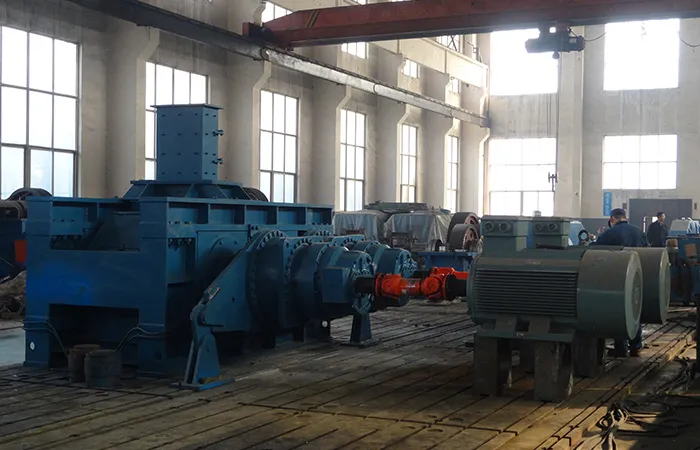
Skewing occurs when the rolls of an HPGR unit become misaligned relative to each other during operation. This misalignment can result from uneven wear, improper installation, or operational factors such as uneven feed material. When skewing happens, the load distribution between the rolls becomes unbalanced, leading to several undesirable outcomes:
Uneven particle size distribution – Skewing causes inconsistent compression of the ore, which can reduce downstream efficiency in flotation, leaching, or milling operations.
Localized wear – Misalignment concentrates pressure on specific areas of the rolls, accelerating wear on the grinding surfaces and liners.
Energy inefficiency – The motor and drive system may consume more energy to compensate for the uneven load.
Increased maintenance frequency – Continuous skewing accelerates component degradation, resulting in more frequent downtime and repair costs.
Several factors contribute to skewing, and understanding them is the first step in effective troubleshooting:
Incorrect roll alignment during installation – Even minor deviations during setup can trigger skewing once the unit is under load.
Wear and tear of bearings and hydraulic systems – Uneven wear in bearing housings or failure in hydraulic roll alignment mechanisms can shift roll positions.
Uneven feed distribution – HPGR performance depends on a consistent feed layer; oversized or poorly distributed material can cause one roll to experience higher stress.
Mechanical issues – Loose fasteners, worn gearboxes, or structural deformations in the frame can exacerbate roll misalignment.
To mitigate skewing, operators should implement both proactive and corrective measures:
Routine inspection and maintenance – Regularly check roll alignment, bearing condition, and hydraulic system performance. Early detection of misalignment prevents severe skewing.
Feed optimization – Ensure the material feed is evenly distributed across the width of the rolls. Installing feed chutes with proper design and maintenance helps maintain consistent roll loading.
Hydraulic adjustment – Many HPGR units feature hydraulic roll adjustment systems. Ensuring these systems are calibrated and responsive can correct minor misalignments before they escalate.
Surface condition monitoring – Monitor roll surface wear patterns. Regularly dressing or replacing worn liners prevents uneven compression and reduces the risk of skewing.
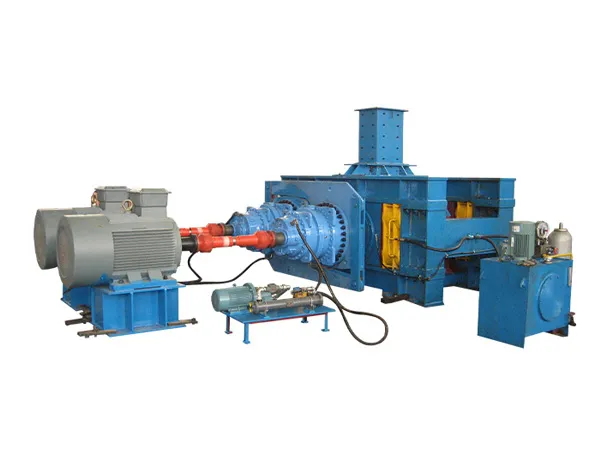
Excessive vibration in HPGR units is another critical concern. Vibrations can manifest as low-frequency oscillations or high-frequency tremors and often indicate underlying mechanical or operational problems. Ignoring vibration issues can result in:
Premature bearing and roller failure – Vibration introduces additional dynamic loads, reducing component lifespan.
Structural fatigue – Continuous vibration stresses the frame and support structures, potentially leading to cracks or deformation.
Reduced grinding efficiency – Unstable roll motion compromises material compression consistency, affecting particle size distribution.
Safety hazards – Severe vibration increases the risk of equipment failure, creating unsafe working conditions for operators.
Identifying the root cause of vibration is critical for effective mitigation:
Imbalanced rolls – Manufacturing tolerances or material buildup on the roll surfaces can create imbalance.
Bearing defects – Worn, misaligned, or lubricated bearings can transmit vibrations throughout the HPGR unit.
Gear and coupling issues – Loose or damaged gears, couplings, or drive shafts can introduce periodic vibrations.
Structural resonances – Inadequate foundation stiffness or loose mounting bolts can amplify natural frequencies of the system.
Operational irregularities – Sudden changes in feed rate, particle size, or ore hardness can trigger transient vibration.
To maintain smooth HPGR operation, engineers should adopt a systematic approach to vibration management:
Vibration monitoring and analysis – Use accelerometers and vibration sensors to identify frequency patterns. This data helps distinguish between mechanical, operational, or structural causes.
Balance rolls – Periodically check and correct roll balance using standard industrial techniques.
Bearing maintenance – Inspect and replace bearings before they reach end-of-life. Ensure proper lubrication practices are followed to reduce friction-induced vibrations.
Structural reinforcement – Ensure the HPGR foundation is solid and bolts are properly torqued. Reinforce any frame components prone to resonant vibrations.
Operational control – Gradually increase feed rate and avoid sudden load spikes. Ensure consistent ore size and distribution to reduce transient vibration effects.
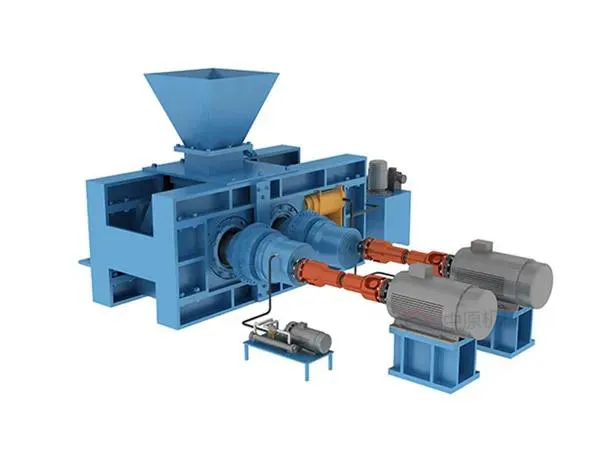
Skewing and vibration often interact: skewed rolls create uneven forces, which can exacerbate vibration, while vibration can accelerate component wear that worsens skewing. Therefore, a holistic maintenance and operational strategy is essential:
Predictive maintenance – Implement monitoring systems that track roll alignment, bearing health, and vibration levels in real-time. Predictive alerts allow corrective action before severe damage occurs.
Operator training – Educate operators on the signs of skewing and vibration, ensuring early detection and prompt intervention.
Documentation and analysis – Maintain records of maintenance, wear patterns, and vibration trends to identify recurring issues and optimize preventive strategies.
OEM collaboration – Work closely with equipment manufacturers to understand unit-specific tolerances and recommended maintenance intervals.
Addressing HPGR skewing and vibration issues is critical to ensuring consistent mineral processing performance and extending equipment life. By understanding the root causes, implementing regular inspection routines, optimizing feed distribution, and employing predictive maintenance strategies, operators can minimize downtime, enhance efficiency, and reduce operational costs. In the competitive mining environment, proactive management of HPGR units is not just a technical necessity—it is a key driver of productivity, safety, and long-term profitability.
For mining facilities looking to maintain peak HPGR performance, investing in advanced monitoring technologies and operator training is equally important as adhering to mechanical maintenance schedules. By taking a comprehensive and data-driven approach, companies can turn HPGR challenges into opportunities for operational excellence.

Add: Luoxin Industrial Zone,Luoyang City,Henan Province P.R.C.
Tel: +86-379-67313306
E-mail: gloria@zyksjx.com

Official Agent of ZY MINING in Russia.
Please enter here.
Add: Luoxin Industrial Zone,Luoyang City,Henan Province P.R.C.
Tel: +86-379-67313306
E-mail: gloria@zyksjx.com