

ZYmining
-
Products
-
Application
In the modern iron ore processing industry, efficiency, energy savings, and product quality are becoming increasingly critical factors for operational success. One technology that has gained substantial attention in recent years is the use of High-Pressure Grinding Rolls (HPGR) in the preparation of iron ore pellet feed. HPGR technology offers a combination of energy efficiency, particle size control, and improved downstream process performance, making it an attractive solution for pellet feed preparation.
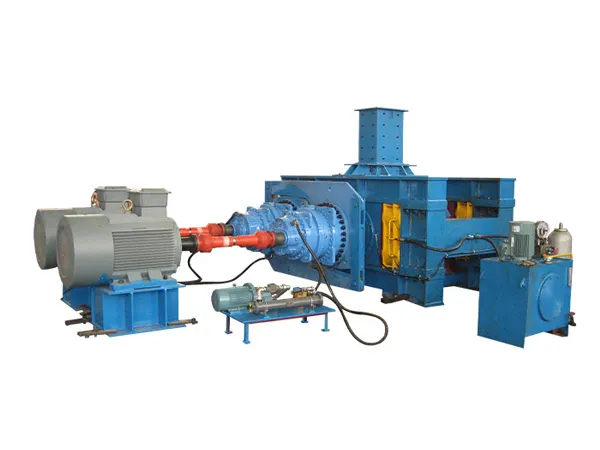
High-pressure grinding rolls operate by compressing ore particles between two counter-rotating rolls under high pressure. Unlike traditional ball mills or crushers, HPGR applies a combination of inter-particle comminution and surface micro-fracturing. This mechanism produces a more uniform particle size distribution while generating micro-cracks in the ore. These micro-cracks enhance the reactivity of the ore during subsequent pelletizing processes, ultimately improving pellet quality.
The fundamental advantage of HPGR lies in its energy efficiency. Studies in the mineral processing industry have shown that HPGR can reduce specific energy consumption by 20–40% compared to conventional grinding methods. This is particularly significant in iron ore pellet feed preparation, where energy costs can represent a major portion of operational expenses.
Improved Particle Size Distribution
HPGR produces a more consistent particle size, reducing the proportion of fines while maintaining sufficient material for pellet formation. This uniformity ensures that the pellet feed exhibits predictable behavior during induration, resulting in stronger, higher-quality pellets.
Enhanced Pellet Strength
The micro-fracturing effect generated by HPGR increases the surface area of iron ore particles. This improved surface area promotes better binding during pelletizing, leading to pellets with higher compressive strength and reduced breakage during handling and transportation.
Reduced Energy Consumption
Traditional grinding methods, such as ball mills, require significant energy input to achieve the desired particle size. HPGR, by utilizing inter-particle crushing, achieves similar or better results with less energy. This not only lowers operational costs but also reduces the environmental footprint of the plant.
Lower Wear and Maintenance Costs
HPGRs are designed with durable wear-resistant materials, which can withstand the high stresses of ore compression. Additionally, the reduced circulating load and fewer moving parts compared to conventional mills translate to lower maintenance requirements and longer equipment life.
Improved Downstream Process Efficiency
By producing a more uniform feed, HPGR improves the performance of downstream pelletizing and sintering processes. This consistency allows for more stable kiln operation, better energy utilization during induration, and more predictable product quality.
While HPGR technology offers clear advantages, successful implementation requires careful consideration of several factors:
Ore Characteristics: The hardness, moisture content, and particle size of the raw iron ore significantly influence HPGR performance. Operators must conduct detailed ore characterization studies before commissioning.
Feed Preparation: Pre-screening and controlled feed size are essential to maximize HPGR efficiency and prevent overloading or uneven wear.
Roll Pressure and Speed Settings: Optimal operational parameters vary depending on ore type and plant requirements. Fine-tuning roll pressure, rotation speed, and gap settings is critical to achieving desired particle size and energy efficiency.
Integration with Existing Circuits: HPGR should be integrated thoughtfully into the pellet feed preparation circuit, considering crushing, screening, and classification stages to optimize overall performance.
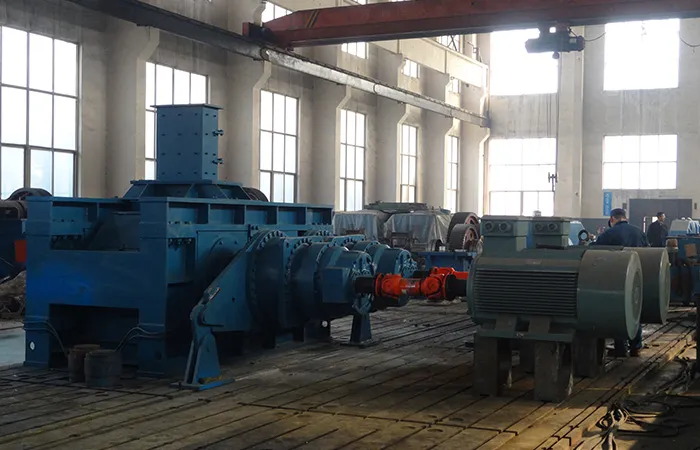
Global mining operations, particularly in Australia, Brazil, and India, have increasingly adopted HPGR for pellet feed preparation. Several iron ore producers report energy savings exceeding 25% and improvements in pellet strength of up to 10%. In addition, the reduced generation of ultra-fines has minimized material losses and improved overall plant productivity.
For example, a large-scale iron ore operation in Western Australia replaced part of its conventional ball mill circuit with HPGR. After commissioning, the plant observed a 30% reduction in specific energy consumption, a 15% increase in pellet compressive strength, and significant improvements in kiln throughput. These results demonstrate HPGR’s potential as a transformative technology in iron ore pellet feed preparation.
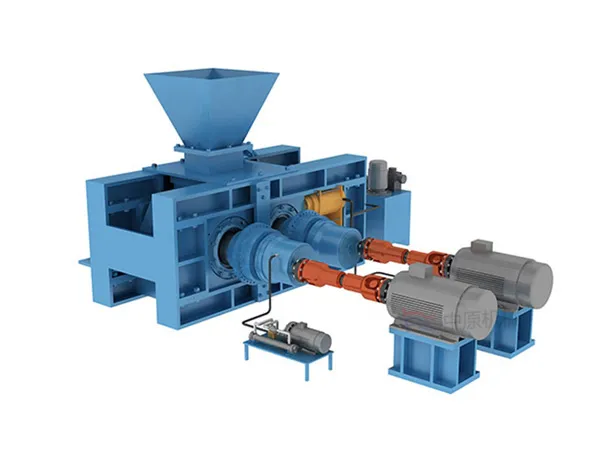
As the demand for high-quality iron ore pellets continues to grow, HPGR technology is likely to see even wider adoption. Innovations in roll design, wear materials, and automation systems are expected to enhance HPGR efficiency, reliability, and operational flexibility. Furthermore, integrating HPGR with digital monitoring systems and predictive maintenance strategies can further optimize plant performance, reduce downtime, and improve profitability.
High-pressure grinding rolls (HPGR) have emerged as a game-changing technology in the preparation of iron ore pellet feed. By offering improved particle size distribution, enhanced pellet strength, lower energy consumption, and reduced maintenance costs, HPGR supports both operational efficiency and product quality. As mining companies continue to seek sustainable, cost-effective solutions, HPGR provides a compelling pathway to modernize pellet feed preparation circuits while achieving measurable improvements in performance and profitability.
Investing in HPGR technology represents not only a strategic improvement in processing capability but also a step toward more sustainable and competitive iron ore production. Companies that adopt HPGR can expect long-term benefits, including higher pellet quality, reduced energy costs, and improved overall plant efficiency.

Add: Luoxin Industrial Zone,Luoyang City,Henan Province P.R.C.
Tel: +86-379-67313306
E-mail: gloria@zyksjx.com

Official Agent of ZY MINING in Russia.
Please enter here.
Add: Luoxin Industrial Zone,Luoyang City,Henan Province P.R.C.
Tel: +86-379-67313306
E-mail: gloria@zyksjx.com