

ZYmining
-
Products
-
Application
High-pressure grinding rolls (HPGR) have emerged as a highly efficient technology in modern mining, especially for processing hard and abrasive ores. These machines offer improved energy efficiency, enhanced particle liberation, and lower operating costs compared to traditional milling methods. However, one persistent challenge in the application of HPGR is the wear of roll surfaces when processing highly abrasive ores. Excessive roll wear not only increases maintenance costs but also reduces operational efficiency and throughput. Understanding how to reduce HPGR roll surface wear is therefore crucial for mining companies aiming to optimize productivity and extend equipment lifespan.
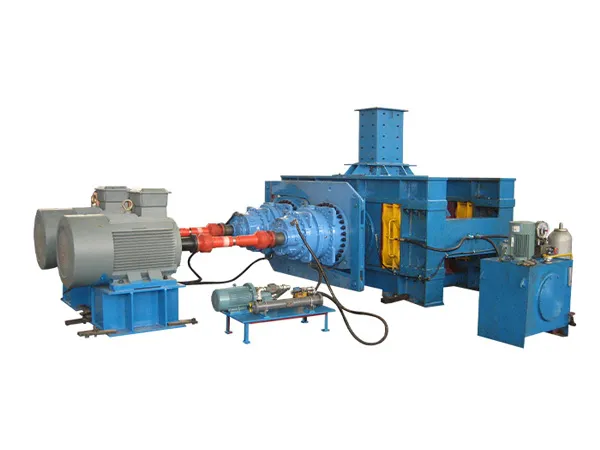
To address wear effectively, it is important to understand the underlying mechanisms. In abrasive ore processing, roll surfaces are subjected to two main types of wear: abrasive wear and fatigue wear. Abrasive wear occurs when hard particles in the ore scrape against the roll surface, gradually removing material. Fatigue wear results from repeated stress cycles as the rolls compress and fracture the ore, leading to micro-cracks and eventual spalling of the roll surface. The combination of these wear mechanisms accelerates roll degradation, particularly in ores with high silica or hard mineral content.
Environmental and operational factors also contribute to wear. High feed moisture, improper ore sizing, and uneven particle distribution can create localized stress points on the rolls, intensifying surface wear. Similarly, operating at high throughput without adjusting roll pressure can lead to excessive roll fatigue. Therefore, a multi-faceted approach is necessary to mitigate roll wear effectively.
Material selection plays a decisive role in reducing wear. Modern HPGR rolls are typically made from high-strength steel, often enhanced with wear-resistant coatings such as tungsten carbide or high-chrome alloys. These materials provide superior hardness and toughness, allowing rolls to withstand both abrasive and fatigue wear. When selecting roll materials, it is essential to balance hardness with impact resistance; overly hard rolls may resist abrasion but are more prone to cracking under cyclic stress.
In addition to base material selection, the application of surface treatments and coatings can significantly extend roll life. Hardfacing techniques, thermal spraying, and surface alloying create a protective layer on the roll surface that resists particle-induced abrasion. Regular inspection of these coatings ensures they remain intact, as worn coatings can accelerate underlying material degradation.
Beyond material considerations, operational adjustments are critical for wear reduction. The following strategies are particularly effective:
Control Roll Pressure and Gap Settings: Operating at optimal pressure reduces unnecessary stress on the rolls. Excessive pressure can increase fatigue wear, while insufficient pressure may result in incomplete ore breakage, leading to recirculation and more abrasive contact. Maintaining an appropriate gap between rolls ensures efficient ore compression while minimizing surface stress.
Maintain Uniform Feed Distribution: Uneven feeding causes localized high-stress zones on the roll surface, accelerating wear in those areas. Using feed distribution systems such as vibrating feeders or pre-screening can ensure uniform particle flow and reduce point loading.
Monitor Ore Moisture and Size: Ore with high moisture content can create sticky build-up on roll surfaces, increasing friction and wear. Similarly, oversized particles can lead to sudden impact loads. Pre-crushing and controlling ore moisture levels are essential preventive measures.
Implement Rotation and Roll Profiling: Periodically adjusting roll orientation or replacing rolls in a staggered manner can balance wear distribution. Some mining operations use roll profiling to restore the original surface contour, preventing uneven wear patterns that compromise grinding efficiency.
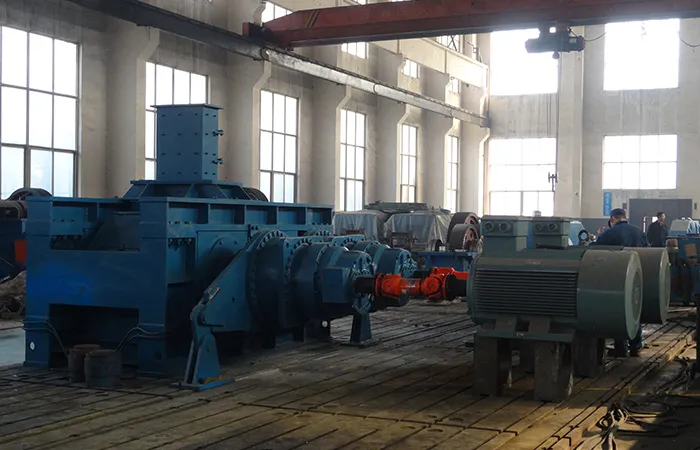
Modern mining operations increasingly rely on digital solutions to monitor HPGR wear in real time. Sensors and condition monitoring systems can track roll vibration, surface temperature, and torque fluctuations, providing early warnings of abnormal wear. Predictive maintenance based on these data allows operators to schedule roll replacement or maintenance before catastrophic failure occurs, reducing unplanned downtime and improving overall equipment effectiveness.
Furthermore, integrating wear data with ore characterization and process modeling helps in adjusting operational parameters proactively. For instance, by understanding the mineral hardness distribution, operators can optimize roll speed and pressure to minimize wear while maintaining throughput.
Reducing HPGR roll wear in abrasive ores is not achieved through a single measure but requires a systematic approach combining material selection, operational optimization, and monitoring. Mining companies should consider the following steps:
Conduct thorough ore characterization to understand hardness, abrasiveness, and moisture content.
Select roll materials and coatings tailored to ore properties and operational demands.
Optimize operational parameters including roll pressure, gap settings, and feed distribution.
Schedule regular inspections, roll profiling, and maintenance based on wear data.
Employ predictive monitoring systems to anticipate wear-related issues and plan interventions proactively.
By adopting this comprehensive strategy, mining operations can significantly extend the life of HPGR rolls, reduce maintenance costs, and improve grinding efficiency. The long-term benefits include enhanced productivity, lower energy consumption, and improved profitability.
HPGR technology represents a key advancement in the grinding of hard and abrasive ores, but roll surface wear remains a major challenge. By understanding wear mechanisms, selecting appropriate materials, optimizing operational parameters, and leveraging predictive maintenance, mining companies can reduce roll wear and achieve more reliable, cost-effective operations. Implementing these strategies not only preserves critical equipment but also strengthens competitive advantage by ensuring consistent throughput and product quality. For operations processing abrasive ores, focusing on wear reduction is a strategic imperative that delivers tangible financial and operational benefits.

Add: Luoxin Industrial Zone,Luoyang City,Henan Province P.R.C.
Tel: +86-379-67313306
E-mail: gloria@zyksjx.com

Official Agent of ZY MINING in Russia.
Please enter here.
Add: Luoxin Industrial Zone,Luoyang City,Henan Province P.R.C.
Tel: +86-379-67313306
E-mail: gloria@zyksjx.com