

ZYmining
-
Products
-
Application
In modern industrial production, consistency and efficiency are not optional—they are essential for maintaining competitiveness. This is especially true in pelletizing processes, where a ball press machine serves as a core piece of equipment in industries such as metallurgy, chemical processing, coal briquetting, and feed production. These machines are responsible for transforming loose powders into dense, uniform pellets that meet strict quality and handling requirements.
However, the long-term performance of a ball press machine does not depend solely on its design. It heavily relies on the condition of its key wear components, particularly the wear-resistant roller skins. These components directly influence pellet shape, density, and production efficiency. When roller skins begin to degrade, the entire production line can suffer from reduced output, inconsistent product quality, and increased energy consumption.
For plant managers, maintenance engineers, and procurement teams, understanding how to properly select, replace, and maintain roller skins is a critical step toward minimizing downtime and maximizing return on investment.
Roller skins operate under extremely demanding conditions. During operation, two rollers rotate in opposite directions, applying immense pressure to compress raw materials into solid pellets. This continuous mechanical stress, combined with abrasive materials, leads to gradual wear.
1. Material Composition and Abrasiveness
Raw materials containing high levels of silica, metal particles, or other कठ abrasive compounds significantly accelerate surface wear. In industries such as mining or metallurgy, this factor becomes even more pronounced.
2. Operating Pressure and Load Conditions
When operators push machines beyond recommended pressure limits in an attempt to increase output, they inadvertently shorten the lifespan of roller skins. Excessive pressure causes micro-cracks, surface fatigue, and uneven wear patterns.
3. Lubrication and Maintenance Practices
Insufficient lubrication increases friction between moving components, generating excess heat and accelerating wear. Inconsistent maintenance schedules further exacerbate this problem.
4. Environmental Influences
High ambient temperatures, humidity, or corrosive gases can gradually degrade the metallurgical properties of roller skins, reducing their hardness and structural integrity over time.
As wear progresses, operators may notice declining pellet quality, irregular shapes, or increased fines. At the same time, energy consumption rises because the machine must exert more force to achieve the same output. These are clear indicators that replacement should not be delayed.
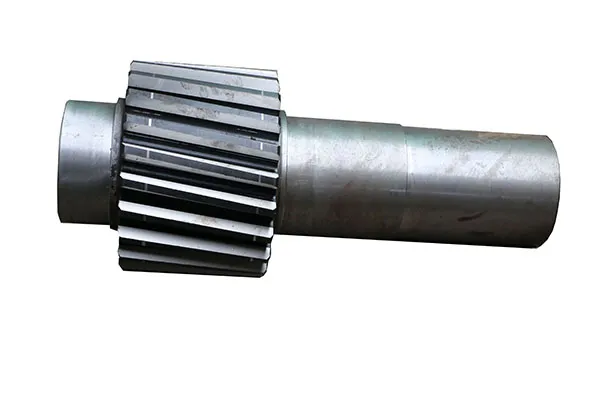
Choosing suitable roller skins is not simply a purchasing decision—it is a strategic investment in production stability. Different materials offer varying levels of hardness, toughness, and wear resistance, and selecting the wrong type can lead to frequent replacements and higher operating costs.
High Manganese Steel
This material offers excellent toughness and impact resistance, making it suitable for applications with fluctuating loads.
Chromium Alloy Steel
Known for its balance of hardness and durability, chromium-alloyed steel performs well in moderately abrasive environments.
Tungsten Carbide Overlay
This option provides exceptional wear resistance and is ideal for highly abrasive materials, although it requires careful handling due to its brittleness.
When evaluating roller skins, decision-makers should consider the following:
The hardness and particle size of processed materials
Expected production capacity and operating pressure
Machine compatibility and installation method
Total lifecycle cost rather than just initial purchase price
Working with an experienced manufacturer who can provide customized solutions based on your specific application often delivers better long-term performance than standard off-the-shelf products.
Replacing roller skins requires both technical expertise and strict adherence to safety procedures. A well-executed replacement process not only ensures optimal performance but also prevents premature failure of new components.
1. Shut Down and Lock Out the Equipment
Operators must completely power off the machine and follow lockout/tagout procedures to eliminate the risk of accidental startup.
2. Remove the Worn Roller Skins
Depending on the machine design, technicians may unbolt modular segments or cut away welded skins. Careful handling during removal helps prevent damage to the roller core.
3. Inspect the Roller Core
Before installing new skins, technicians should thoroughly inspect the roller body for cracks, deformation, or uneven wear. Any underlying issues must be repaired to avoid compromising the new installation.
4. Prepare the New Roller Skins
Technicians should clean and measure each component to ensure dimensional accuracy. In some cases, preheating or surface treatment may be required to achieve proper bonding.
5. Install and Align Precisely
Accurate alignment is critical. Even minor deviations can lead to uneven pressure distribution, which accelerates wear and reduces pellet quality. Proper torque and clearance settings must follow manufacturer specifications.
6. Conduct Trial Operation
Operators should run the machine under no-load conditions initially, then gradually introduce material while monitoring vibration, temperature, and output quality.
7. Record Maintenance Data
Documenting installation details, material types, and performance observations helps build a data-driven maintenance strategy, improving future decision-making.
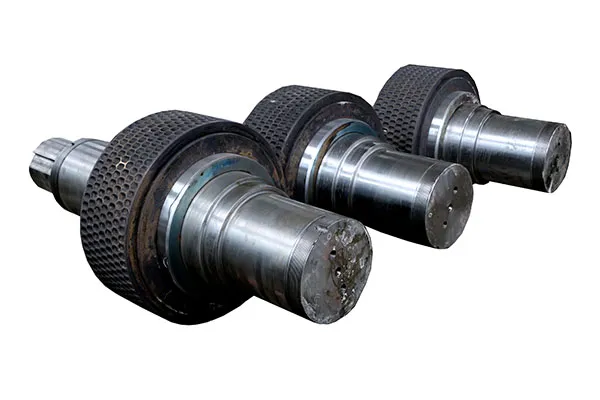
While replacement is inevitable, proactive maintenance can significantly delay it and improve overall equipment performance.
Establish a Preventive Maintenance Schedule
Regular inspections allow teams to identify early signs of wear before they escalate into major failures.
Maintain Proper Lubrication
Using the correct type and quantity of lubricant reduces friction and heat generation, protecting both roller skins and internal components.
Monitor Production Indicators
Changes in pellet density, size consistency, or production rate often serve as early warning signals of wear.
Avoid Overloading the Machine
Operating within recommended parameters ensures that mechanical stress remains within safe limits, preventing unnecessary damage.
Train Operators and Maintenance Staff
Well-trained personnel can identify abnormalities early and follow best practices during operation and servicing.
Replacing wear-resistant roller skins in ball press machines should never be treated as a routine, reactive task. Instead, it should be approached as a strategic component of equipment management. Companies that invest in high-quality materials, follow standardized replacement procedures, and implement preventive maintenance strategies consistently achieve better production stability and lower operational costs.
In a competitive industrial landscape, even small improvements in efficiency can translate into significant financial gains. By optimizing roller skin selection and maintenance, manufacturers can ensure that their ball press machines deliver reliable performance, high-quality output, and long service life.
For businesses aiming to enhance productivity and reduce downtime, effective roller skin management is not just maintenance—it is a long-term investment in operational excellence.

Add: Luoxin Industrial Zone,Luoyang City,Henan Province P.R.C.
Tel: +86-379-67313306
E-mail: gloria@zyksjx.com

Official Agent of ZY MINING in Russia.
Please enter here.
Add: Luoxin Industrial Zone,Luoyang City,Henan Province P.R.C.
Tel: +86-379-67313306
E-mail: gloria@zyksjx.com