

ZYmining
-
Products
-
Application
In large-scale mineral processing lines, high-power mineral powder ball machines are not simply auxiliary grinding equipment—they are production-critical assets that directly influence output stability, energy consumption, and final product quality. Whether deployed in mining concentrators, cement plants, or chemical powder processing facilities, these machines are expected to operate under sustained heavy loads, often in high-dust and high-temperature environments.
However, in many real-world operations, performance issues such as abnormal vibration, bearing overheating, or premature gear wear are frequently traced back to one overlooked factor: inadequate or improper lubrication management. Compared to mechanical design improvements or costly component upgrades, optimizing lubrication practices is one of the most cost-effective ways to extend equipment lifespan and reduce unplanned downtime.
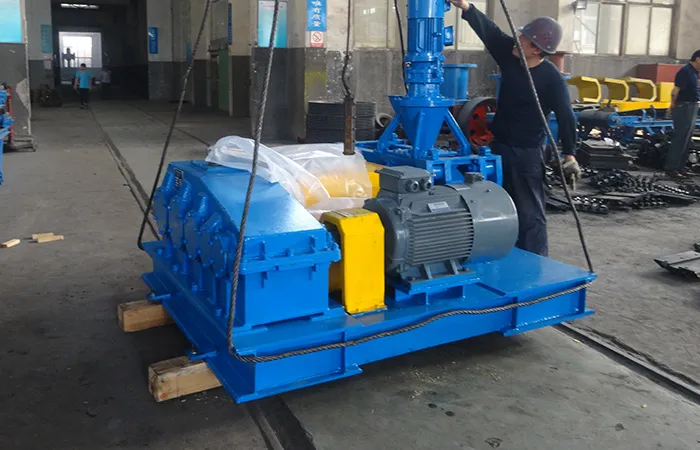
This guide focuses on practical, field-tested lubrication strategies that go beyond theory, helping operators and maintenance teams improve both reliability and long-term operating efficiency.
In high-power ball machines, lubrication is not merely about reducing friction—it directly affects mechanical stability, thermal control, and wear patterns across the entire drive system.
When lubrication is properly managed, a stable oil or grease film forms between metal surfaces. This film prevents direct contact, significantly reducing adhesive wear and surface fatigue. More importantly, it acts as a thermal transfer medium, carrying away heat generated from friction and load stress. Without this function, localized overheating can quickly lead to bearing deformation or lubricant breakdown.
Another often underestimated role of lubrication is contamination control. In mineral powder environments, fine particles can infiltrate even well-sealed systems. A properly selected lubricant helps encapsulate and isolate these particles, reducing the risk of abrasive wear that can severely damage precision components.
From an operational standpoint, consistent lubrication translates into:
Lower energy consumption due to reduced friction resistance
More stable rotational speed and grinding efficiency
Reduced frequency of emergency shutdowns
Extended overhaul cycles for key components
Selecting a lubricant for high-power mineral powder ball machines should never be based on generic recommendations. Instead, it must reflect actual operating conditions.
In high-load applications, lubricants must demonstrate strong extreme pressure (EP) performance. This ensures that even under peak stress, the lubricant film does not collapse. For high-temperature environments, thermal stability becomes equally critical—low-quality oils tend to oxidize quickly, forming sludge that blocks lubrication channels.
Key factors to evaluate include:
Load-bearing capacity: Essential for bearings and gear systems under continuous heavy torque
Viscosity stability: Must remain consistent across temperature fluctuations
Oxidation resistance: Prevents degradation during long operation cycles
Compatibility: Must match seal materials and metal surfaces to avoid chemical reactions
In practice, high-performance lithium-based greases or synthetic industrial gear oils are widely used, especially in continuous production environments where equipment cannot afford frequent shutdowns.
A common issue in many plants is uneven lubrication—some parts are over-lubricated while others are neglected. For high-power ball machines, attention should be concentrated on the following key areas:
1. Main Bearings (Core Load Zone)
Main bearings support the rotating drum and carry the highest radial and axial loads. Insufficient lubrication here often leads to early-stage micro-wear, which gradually develops into overheating or even bearing seizure. Maintaining a consistent grease film with high temperature resistance is essential.
2. Gear Transmission System
The gear assembly is responsible for torque transfer and rotational stability. Poor lubrication can cause surface pitting, increased backlash, and efficiency loss. Using anti-wear gear oil with strong adhesion helps maintain a protective film even under shock loads.
3. Shafts and Pin Connections
Although smaller in size, these components are subject to repeated stress and vibration. Lack of lubrication often results in increased noise and accelerated fatigue failure.
4. Seals and Couplings
These areas are frequently ignored during maintenance. Light lubrication not only prevents corrosion but also ensures smooth engagement and reduces alignment stress.
A lubrication plan should never be static. Instead, it must adapt to actual operating intensity, environmental conditions, and equipment load variations.
For high-power, continuous-operation machines, the following approach is more effective:
Daily checks: Monitor bearing temperature, lubricant levels, and visible leakage
Weekly maintenance: Inspect lubrication points for contamination or abnormal consumption
Monthly servicing: Replace or replenish lubricants depending on degradation levels
Equally important is documentation. Keeping detailed records of lubricant types, refill intervals, and observed issues enables predictive maintenance rather than reactive repairs. Over time, this data becomes a valuable reference for optimizing maintenance cycles.
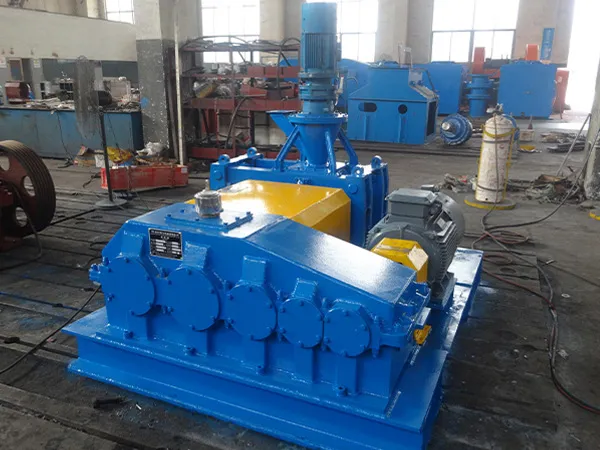
From a practical engineering perspective, several small improvements in lubrication habits can produce significant long-term benefits:
Clean Before Re-Lubricating
Mixing new lubricant with contaminated or degraded grease reduces effectiveness. Always remove old residues before applying fresh lubricant.
Avoid Excessive Lubrication
More lubricant does not mean better protection. Over-lubrication can increase internal pressure, damage seals, and attract dust, leading to abrasive wear.
Monitor Operating Temperature
Temperature spikes often indicate lubrication failure. Regular monitoring helps detect early-stage issues before they escalate.
Consider Automated Lubrication Systems
For large production lines, centralized lubrication systems ensure consistent delivery and reduce reliance on manual intervention, which is often prone to inconsistency.
Early Warning Signs You Should Never Ignore
Even with a solid lubrication strategy, issues can still arise. The key is early detection.
Typical warning signals include:
Unusual mechanical noise (grinding or squealing)
Increased vibration or instability
Sudden temperature rise in bearings or gearboxes
Visible discoloration or scoring on metal surfaces
Addressing these symptoms early can prevent secondary damage and significantly reduce repair costs.
In high-power mineral powder ball machine operations, lubrication should not be treated as a routine checklist item. It is a strategic factor that directly influences production efficiency, equipment reliability, and long-term operational costs.
By selecting the right lubricants, focusing on critical wear points, implementing adaptive maintenance schedules, and applying practical field-proven techniques, operators can achieve measurable improvements in both performance and durability.
For companies aiming to reduce downtime and maximize return on equipment investment, refining lubrication management is not an optional upgrade—it is a necessary step toward sustainable and efficient industrial operation.
In many cases, the difference between frequent breakdowns and stable production is not the machine itself, but how well it is maintained. And at the core of that maintenance lies one simple but powerful principle: consistent and intelligent lubrication.

Add: Luoxin Industrial Zone,Luoyang City,Henan Province P.R.C.
Tel: +86-379-67313306
E-mail: gloria@zyksjx.com

Official Agent of ZY MINING in Russia.
Please enter here.
Add: Luoxin Industrial Zone,Luoyang City,Henan Province P.R.C.
Tel: +86-379-67313306
E-mail: gloria@zyksjx.com