

ZYmining
-
Products
-
Application
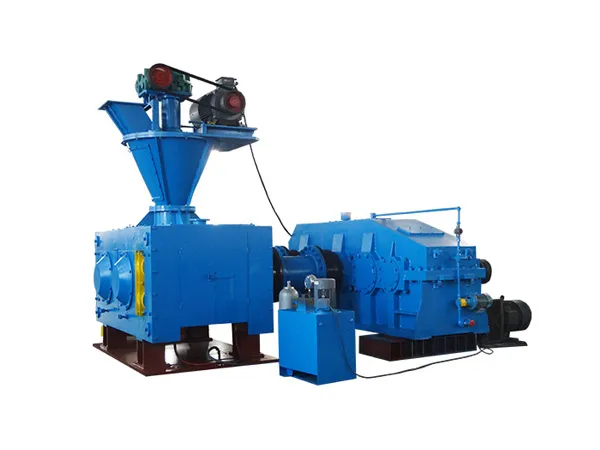
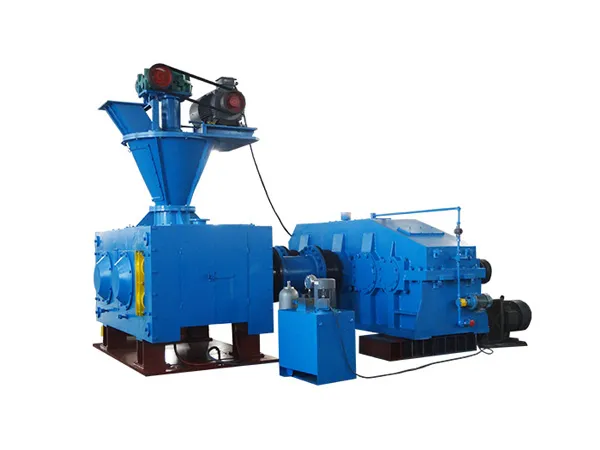
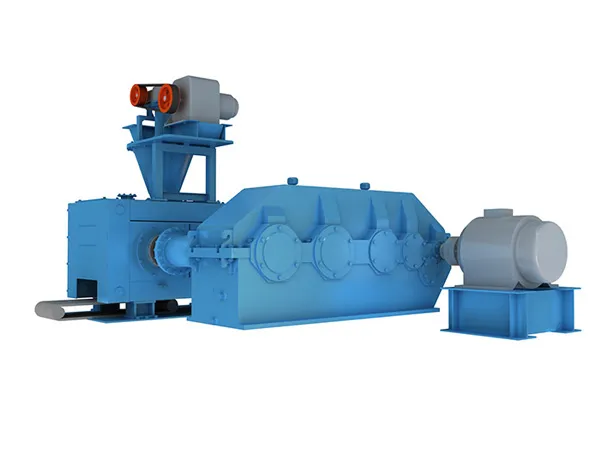
In modern industrial manufacturing, particularly in the feed, fertilizer, and chemical sectors, the performance of a ball press machine plays a pivotal role in determining production efficiency, product quality, and operational costs. Among the many parameters that influence machine performance, the roller gap—the precise distance between the pressing rollers and the forming die—stands out as one of the most critical. Properly adjusting this gap is essential not only for achieving optimal pellet formation but also for prolonging the lifespan of your equipment and reducing unnecessary maintenance expenses.
The roller gap directly controls the compression force applied to raw materials as they pass through the ball press. If the gap is set too wide, raw materials may not undergo sufficient compression. This often results in pellets that are loosely formed, inconsistently sized, and of variable density, which can compromise downstream processes or packaging. On the other hand, an excessively narrow gap can generate extreme pressure on the rollers, increasing the risk of roller wear, material jamming, or even mechanical failure.
Beyond just pellet size, the roller gap affects density uniformity, mechanical strength, and material wastage. A properly calibrated gap ensures that each pellet achieves consistent hardness and durability, reducing breakage during handling or transportation.
Before making any adjustments to the roller gap, operators should carefully evaluate several variables:
1. Material Moisture Content
Moisture significantly influences compressibility. High-moisture materials generally require a slightly wider gap, as water facilitates material cohesion. Conversely, low-moisture or dry materials need a narrower gap to achieve adequate compression and proper pellet formation. Ignoring moisture content can lead to inconsistent pellets, affecting both quality and throughput.
2. Material Hardness and Granularity
Softer or fine-grained materials compress easily and tolerate minor variations in roller gap. In contrast, harder, coarse, or fibrous materials require precise gap adjustment to achieve the desired pellet density without overloading the machine.
3. Production Output Goals
Adjusting the roller gap affects both pellet quality and production rate. A wider gap may increase throughput but risks reducing pellet density and strength. A narrower gap enhances pellet uniformity but may slow production. Balancing these factors is crucial depending on operational priorities.
4. Machine Condition
Before adjusting, ensure the ball press machine is in good working condition. Check roller alignment, inspect for surface wear, and verify the die condition. Worn or misaligned components can distort the actual gap, leading to suboptimal results even after adjustment.
Proper roller gap adjustment requires patience and precision. The following step-by-step approach ensures safe and effective operation:
Step 1: Ensure Safe Shutdown
Before any adjustments, fully shut down the machine and engage lockout/tagout procedures. This eliminates the risk of accidental startup during maintenance.
Step 2: Inspect Rollers and Die
Clean the roller and die surfaces to remove any residues, scale, or material buildup. Inspect for visible wear, pitting, or cracks, as these defects can affect compression consistency. Minor surface irregularities may be corrected through cleaning or polishing, but severely damaged rollers should be replaced.
Step 3: Measure the Current Gap
Use precise measuring tools such as feeler gauges or calipers to determine the existing roller gap. Record these measurements for reference, as they provide a baseline for incremental adjustments.
Step 4: Determine the Optimal Gap
Consider material characteristics, moisture content, and desired pellet density to define the target gap. Many manufacturers provide recommended gap ranges in user manuals, but real-world conditions may require fine-tuning based on operator experience and material batch variations.
Step 5: Gradually Adjust the Gap
Adjust the roller gap slowly using the machine’s screw mechanisms or hydraulic controls. Make incremental changes, checking roller alignment after each adjustment to maintain even pressure distribution across the rollers. Over-adjusting in a single step can risk equipment strain or material jamming.
Step 6: Conduct Test Runs
After each adjustment, run a small batch of material to observe pellet formation. Evaluate pellet size, surface smoothness, density, and hardness. Adjust further if necessary until the desired pellet quality is consistently achieved.
Step 7: Record Settings for Future Reference
Document the final roller gap, material conditions, and production output. Maintaining a detailed log allows operators to quickly replicate successful settings in future production runs, improving consistency and reducing trial-and-error downtime.
Optimizing roller gap is not a one-time task. Long-term efficiency relies on regular monitoring, preventive maintenance, and operator training:
Routine Monitoring: Periodically inspect the roller gap during production, especially when material batches change or after extended operation. Small deviations can accumulate over time and affect pellet quality.
Preventive Maintenance: Keep moving parts lubricated, replace worn rollers, and ensure the die is clean. Regular maintenance prevents mechanical issues that may distort the roller gap.
Operator Training: Skilled operators can detect subtle changes in pellet formation and make minor adjustments without halting production, reducing downtime and waste.
Consistent Raw Materials: Using raw materials with uniform moisture, size, and composition minimizes the frequency of roller gap adjustments and ensures stable pellet quality.
Adjusting the roller gap on a ball press machine is a nuanced and critical process. Its impact extends beyond pellet size, influencing machine longevity, production efficiency, and overall product quality. By understanding the interplay between material properties, machine mechanics, and production objectives, operators can achieve consistent, high-quality pellet output.
A proactive approach that combines precise roller gap calibration, routine monitoring, preventive maintenance, and skilled operation transforms a standard ball press machine into a highly reliable, high-performing production asset. Manufacturers who master this process can reduce operational costs, maximize output, and maintain a competitive edge in a demanding industrial market.
Investing the time to understand and properly manage the roller gap is not just maintenance—it is a strategic decision that ensures the machine operates at its peak potential, producing uniform, durable pellets that meet both efficiency and quality standards.

Add: Luoxin Industrial Zone,Luoyang City,Henan Province P.R.C.
Tel: +86-379-67313306
E-mail: gloria@zyksjx.com

Official Agent of ZY MINING in Russia.
Please enter here.
Add: Luoxin Industrial Zone,Luoyang City,Henan Province P.R.C.
Tel: +86-379-67313306
E-mail: gloria@zyksjx.com